2026 How to Use a Concrete Calculator for Accurate Estimations?
In the construction industry, accurate estimations are crucial. With increasing project demands, knowing how to use a calculator for concrete becomes essential. According to Jack Simmons, a seasoned concrete specialist, "Precision in measurements can make or break a project." His insight reflects the importance of getting calculations right.
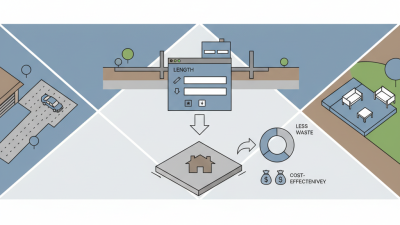
A concrete calculator simplifies complex calculations, saving time and reducing errors. By entering the dimensions of your project, it provides accurate estimations of necessary materials. This approach minimizes waste and ensures that resources are used effectively. Many construction professionals overlook the importance of these tools, often relying on guesswork, which can lead to costly mistakes.
The benefits of using a calculator for concrete extend beyond mere convenience. They promote efficiency and help mitigate potential issues on-site. While it might seem straightforward, users should remain vigilant. Even small errors in input can skew results significantly. Understanding the calculator's functions is vital for achieving optimal results.

Understanding the Basics of a Concrete Calculator
Understanding the Basics of a Concrete Calculator
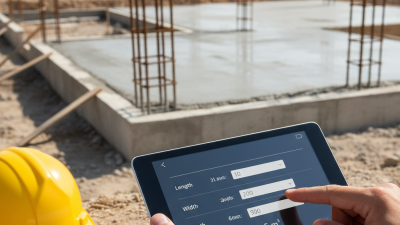
A concrete calculator is a simple yet effective tool for anyone working with concrete. It helps you estimate the amount needed for a project accurately. This can save time, money, and materials. Using one involves inputting dimensions such as length, width, and depth. However, measurements must be precise. Mistakes can lead to shortages or excess. Each project has unique needs, so familiarity with the calculator is crucial.
When inputting your measurements, it's important to keep in mind units of measurement. Mixing feet and inches could lead to serious errors. Many calculators provide a conversion option, but users should verify this. Understanding how to compute volume helps, too. A cubic yard is often the standard measurement. Yet, many forget to account for waste, typically about 10%. This oversight can strain budgets.
Concrete calculators can also benefit from manual checks. It’s not infallible. Relying solely on technology may lead to complacency. Double-check your numbers against standard formulas. This habit cultivates accuracy and enhances confidence in your calculations. Undoubtedly, experience with a concrete calculator refines your skills in estimating better. Each project offers learning opportunities, making every calculation a step towards expertise.
Types of Measurements Required for Concrete Estimation
When estimating concrete needs, it's crucial to understand the measurements involved. Accurate calculations depend on the dimensions of the area to be poured. Most projects require measurements such as length, width, and depth. According to a report by the National Ready Mixed Concrete Association, even a small error in measurement can lead to a cost increase of 10% or more.
The types of measurements vary based on the project. For slabs, calculating square footage is essential. Multiply length by width for coverage. But for footings and walls, depth plays a significant role. Wrong depth can lead to excessive waste. The American Concrete Institute suggests that estimating volume in cubic yards provides a clearer picture of material needs. Properly assessing these measurements ensures that both time and resources are utilized efficiently.
Visualizing the project helps too. Use a measuring tape and jot down dimensions accurately. A good concrete calculator takes these values and minimizes guesswork. However, it's important to double-check these numbers. Mistakes can lead to ordering too little or too much concrete, both of which are costly. Remember, even seasoned professionals can overlook details.
Concrete Estimation Measurements
Step-by-Step Guide to Using a Concrete Calculator
Using a concrete calculator can greatly enhance your project’s accuracy. Many people underestimate the importance of precise measurements when pouring concrete. Follow these steps for accurate estimations.
Begin with determining the area where the concrete will be placed. Measure the length and width if it’s a slab. For circular or irregular shapes, break it down into manageable parts. Enter these dimensions into the calculator. The calculator will then provide you with the required cubic yards or meters of concrete.
Check your calculations at least twice. Mistakes can lead to shortfalls or waste. Estimating too little may require an emergency order, which can be costly. Conversely, overestimating can result in unused material, cluttering your project site.
Consider the type of concrete needed. Different projects require varying strengths and mixtures. Factor in the slump needed, which affects the water-to-cement ratio. Understanding these details will improve the final outcome and performance of your project.
Common Mistakes to Avoid When Estimating Concrete Needs
Estimating concrete needs accurately is crucial for any construction project. Many face challenges when determining the right amount. A common mistake is underestimating waste due to spillage or over-excavation. Industry reports indicate that up to 15% of concrete can be lost in these scenarios. Ensure you factor this when calculating your requirements.
Misreading measurements can also lead to inaccuracies. It’s vital to double-check dimensions. Studies show a significant percentage of errors stem from simple miscalculations. For instance, not converting units properly can alter estimations drastically. Even experienced contractors can overlook these details.
Another frequent oversight is neglecting the concrete’s intended purpose. The type of mix affects volume calculations. For example, heavier mixes, such as those with added aggregates, will require adjustments in estimations. Prioritizing accuracy at every stage is essential to avoid costly mistakes in your concrete project.
Tips for Ensuring Accurate Concrete Calculations and Results
Accurate concrete calculations are essential for any successful project. To begin, understanding the density of concrete is crucial. Concrete typically weighs around 150 pounds per cubic foot. Considering this, a ten-foot by ten-foot concrete slab that is four inches thick will require about 1.25 cubic yards of concrete, translating to approximately 2.5 tons. This estimation highlights the importance of meticulous measurements.
Additionally, current industry reports indicate that errors in concrete calculations can lead to significant time and financial losses. For instance, the American Society of Concrete Contractors reports that improperly estimated concrete needs can increase costs by up to 15%. Therefore, carefully calculating the dimensions is vital. Use a reliable concrete calculator that factors in volume and allows for adjustments based on waste.
Always consider environmental factors as well. Temperature and humidity affect concrete curing times. Averages show that colder conditions can slow setting significantly. Hence, thorough planning is essential to account for these variables. It's important to know that even slight miscalculations can lead to project delays. Adjust your calculations for weather-related impacts to avoid potential setbacks.
2026 How to Use a Concrete Calculator for Accurate Estimations?
| Material |
Amount (Cubic Yards) |
Bag Weight (lbs) |
Number of Bags Required |
Estimated Cost ($) |
| Concrete Mix |
2 |
80 |
50 |
350 |
| Gravel |
1.5 |
n/a |
n/a |
150 |
| Sand |
1 |
n/a |
n/a |
100 |
| Admixtures |
0.5 |
n/a |
n/a |
80 |