How to Use a Concrete Volume Calculator for Your Projects?
When embarking on construction projects, accurately calculating concrete volume can often be overlooked. It may seem straightforward, but errors can lead to wasted resources and increased costs. This is where a concrete volume calculator becomes essential. It simplifies the process, ensuring you have the right amounts for your needs.
Using a concrete volume calculator empowers both contractors and DIY enthusiasts. You input the dimensions of your project, and it generates the required concrete volume. This financial protection is critical for maintaining your project budget while avoiding material shortages. However, relying solely on automated tools can miss nuances specific to your project.
Remember to double-check your measurements and understand your project's unique requirements. Mistakes in volume calculations can result in delays and wasted materials. Embrace the convenience of technology, but combine it with your knowledge and experience to enhance reliability. A concrete volume calculator is a valuable tool, yet a mindful approach remains crucial to achieving success in your construction endeavors.

Understanding Concrete Volume Calculators and Their Importance
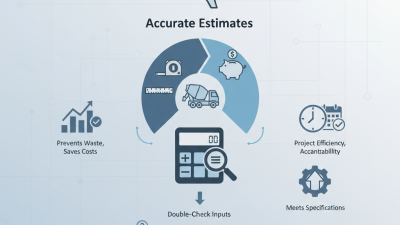
Concrete volume calculators are essential tools for any construction project. They help you determine the amount of concrete needed for your specific tasks. Accurate calculations prevent waste and save money. You can avoid running out of concrete mid-project or over-ordering, both of which can lead to complications. A thorough understanding of how these calculators work enhances your project planning.
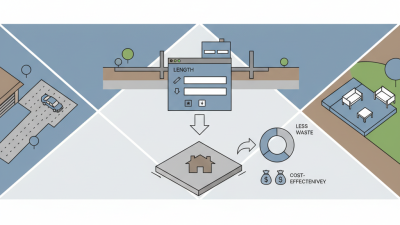
Using a concrete volume calculator requires understanding basic measurements. Most calculators need the length, width, and depth of the area. For instance, when pouring a patio or sidewalk, you measure the surface dimensions. Sometimes, you might struggle with calculating sloped surfaces or unusual shapes. The details matter. A miscalculation can lead to an extra trip to the store, delays, and increased costs.
It's vital to ensure your measurements are accurate. An error of just a few inches can significantly impact the volume calculation. Take your time and double-check figures. This approach fosters reliability in your project. The more precise your calculations, the smoother your construction process will be.
Key Factors to Consider When Calculating Concrete Volume
When calculating concrete volume, accuracy is essential. Several factors influence the final requirements. Understanding these can lead to better project outcomes.
The area size is the first consideration. Whether for patios or foundations, accurate measurements ensure you order the right amount. For example, a 10x10-foot slab needs 1.5 cubic yards of concrete. This translates to ensuring proper support within the design specifications.
Thickness also plays a crucial role. Even slight variations can impact the total volume. A standard 4-inch thickness for sidewalks versus a 6-inch thickness for driveways leads to substantial differences. According to industry sources, 10% of all concrete projects suffer from volume miscalculations. This results in delays and increased costs. Attention to detail here cannot be overstated; it often separates success from failure.
Step-by-Step Guide to Using a Concrete Volume Calculator
Using a concrete volume calculator can streamline your construction projects, ensuring precision. Begin by gathering crucial measurements. Length, width, and depth are essential inputs. For slabs, measure the area in square feet. For walls, calculate the cubic volume. Each measurement holds significance.
After inputting your data, review the numbers. Take a moment to check for accuracy, as mistakes can lead to costly errors. Sometimes rounding up or down can muddy the final output. It’s vital to reflect on whether your initial measurements were correct. Even minor miscalculations can throw your entire project off balance.
Once you receive the calculated volume, think about the next steps. Consider the type of project. Will you need extra for waste? Always account for spillage and variations in material density. Trusting the calculator is helpful, but maintain a hands-on approach. Reflect on the total amount needed to avoid shortages.
Common Mistakes to Avoid When Estimating Concrete Volume
Using a concrete volume calculator can save time and resources, but estimating correctly is crucial. Many people overlook the importance of precise measurements. If you don’t account for the dimensions accurately, you risk underestimating or overestimating. This can lead to wasted materials and increased costs.
One common mistake is failing to account for concrete displacement. Think about rebar, pipes, or other structures within the space. Ignoring these can skew the total volume needed. A clear understanding of the site layout helps. Additionally, not considering the concrete's final finish can create problems. Different finishes require varying amounts of concrete.
People often rush the calculation process. Quick estimations may seem efficient, but they can lead to significant errors. Take your time to analyze every aspect of the project. This includes the shape of the area and the thickness of the slab. Being meticulous can save you from costly mistakes down the line. Remember, good preparation often pays off in the long run.
Concrete Volume Estimates by Project Type
This bar chart represents estimated concrete volumes required for various project types. Accurate volume estimation is crucial to avoid common mistakes and ensure efficient material usage in construction projects.
Industry Standards for Concrete Volume Calculations and Mix Ratios
Concrete volume calculations are essential for any construction project. Accurate calculations ensure that your mix ratios adhere to industry standards. According to the American Concrete Institute, a common mix ratio for standard concrete is 1:2:3, which includes one part cement, two parts sand, and three parts aggregate. This ratio yields a strong, durable mix suitable for various applications.
When determining the concrete volume needed, consider the space's dimensions. For example, if you are pouring a slab 4 inches thick for a surface measuring 10 feet by 10 feet, you will require about 1.23 cubic yards of concrete. Make sure to account for any additives that may alter the volume needed. Inaccurate calculations can lead to wasted materials or insufficient coverage.
Remember to check your local building codes for guidelines. Certain projects may require specific mix ratios or additional materials for better performance. Each project is unique. Sometimes, trial and error is necessary to achieve the desired consistency. Always mark your measurements clearly and double-check them before ordering materials. This practice will save time and reduce potential issues down the line.