Why Choose Ready Mix Concrete Delivery for Global Projects?

Why Choose Ready Mix Concrete Delivery for Global Projects?

Global construction depends on concrete at an extraordinary scale. The Global Cement and Concrete Association reports that the world uses approximately 14 billion cubic metres of concrete each year. This scale creates a practical question: how can projects receive consistent material across different locations, climates, and schedules? Ready mix concrete delivery offers a controlled answer. Concrete is batched at a professional plant, transported in calibrated mixer trucks, and placed within a planned time window.

The benefits are visible on site. A project team can coordinate truck arrivals with pumping equipment, reducing idle labour and congestion around the pour area. Plant-based batching also supports consistent water-cement ratios, aggregate grading, and admixture dosing. These controls matter when a bridge deck, tunnel lining, or high-rise foundation must meet specified strength requirements. The International Energy Agency identifies cement production as responsible for roughly 7% of global energy-related carbon dioxide emissions. Therefore, accurate ordering can also reduce waste, rejected loads, and unnecessary remobilisation.

Yet delivery is not automatically efficient. It requires reliable dispatch software, verified mix designs, local quality testing, and realistic traffic planning. A delayed truck can change the workability of concrete. Extreme heat can shorten the usable placing period. Small details matter. Site teams should confirm discharge limits, curing arrangements, and contingency supplies before pouring. No system is perfect. However, when suppliers, engineers, and contractors share clear data, ready mix concrete delivery can provide a more measurable, dependable, and scalable method for global projects.

Why Choose Ready Mix Concrete Delivery for Global Projects?

What Is Ready Mix Concrete Delivery?

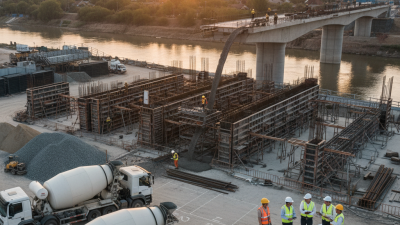
Ready mix concrete delivery means producing concrete at a controlled batching plant, then transporting it to a project in mixer trucks. Cement, aggregates, water, and admixtures are measured before loading. The mix arrives ready for placement, rather than being proportioned beside the foundation or bridge deck.

This process supports global projects with demanding schedules. The Global Cement and Concrete Association estimates that people use about 14 billion cubic metres of concrete each year. That scale makes consistent production important. Plant batching can improve measurement, moisture control, and quality records. It also reduces material storage at crowded sites.

A truck turns slowly near the gate. Fresh concrete waits for the pump.

Delivery is not simply transport. Dispatchers coordinate traffic, weather, pumping access, and placement speed. ASTM C94/C94M provides widely used requirements for ready-mixed concrete, although local standards may differ. Site teams should check slump, temperature, batch time, and other specified tests before placement.

Experience shows a small delay can change the workability of concrete. It can also disrupt an entire pour. Ready mix is efficient, but not automatically perfect. Poor planning, long travel distances, or unclear communication can still cause waste and weak construction. The details matter more than the label.


How Ready Mix Concrete Is Produced and Transported

Ready mix concrete begins with a controlled production process, not with a truck arriving at the site. Technicians select cement, aggregates, water, and approved admixtures according to the project’s design requirements. Aggregate moisture is checked because even small changes can affect the water-cement ratio. The materials are weighed in a batching plant and blended for a measured period. Concrete quality depends on accurate proportions.

Before dispatch, technicians usually test workability, temperature, and sometimes air content. These checks help confirm that the mixture suits pumping, placing, and local weather conditions. However, testing is not a guarantee of perfection. Material moisture, equipment wear, and changing temperatures can still influence performance.

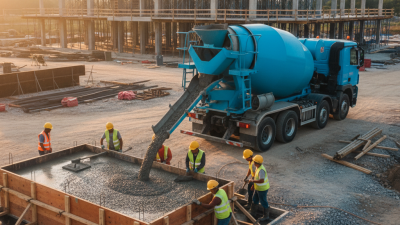
Transport requires careful timing. Agitating trucks keep the concrete moving while traveling from the plant to the construction site. Route planning considers traffic, distance, road restrictions, and site access. On international projects, local standards and climate conditions may require different mix designs or delivery procedures. The site team must prepare forms, reinforcement, pumps, and workers before the trucks arrive. A delayed pour can create cold joints and wasted material. Short windows matter.

Experienced crews record batch times, arrival times, discharge conditions, and test results. These records support traceability and help identify problems early. Communication between the plant, driver, laboratory, and site supervisor remains essential. It sounds simple, but coordination often fails when schedules change without notice.

Why Choose Ready Mix Concrete Delivery for Global Projects? - How Ready Mix Concrete Is Produced and Transported

Typical production, quality-control, and delivery parameters for ready-mix concrete. Actual values depend on the approved mix design, local standards, climate, and project specifications.

Project Dimension Typical Data or Range How It Is Managed Practical Benefit for Global Projects
Raw Material Proportioning Cementitious binder, fine aggregate, coarse aggregate, water, and optional chemical or mineral admixtures are measured by mass. Computer-controlled batching systems weigh each ingredient according to the approved mix design. Improves repeatability between batches and supports consistent quality across different production locations.
Common Strength Classes Approximately 20–50 MPa at 28 days for many building, pavement, and infrastructure applications. Strength is verified through laboratory or field-cured specimens, commonly tested at 7 and 28 days. Allows the mix to be selected according to structural loads, durability requirements, and local design codes.
Water-to-Cementitious Materials Ratio Often about 0.40–0.60 for conventional structural concrete; the approved specification controls the final value. Water is measured during batching, while admixtures may be used to achieve workability without adding excess water. Helps balance workability, strength, permeability, and durability in different climates and exposure conditions.
Workability at Placement Typical slump values range from approximately 75–150 mm for conventional placement; higher-workability mixes may be specified for congested reinforcement or pumping. Slump or flow is checked at the point of delivery, subject to the project’s approved test method and limits. Supports pumping, placing, and finishing while reducing the risk of unauthorized water addition on site.
Mixing Process Materials are mixed in a central mixer, a truck mixer, or a combination of both systems. Mixing time and revolutions follow the mix design, equipment capability, and applicable construction standard. Provides a uniform material before discharge and accommodates different plant configurations around the world.
Transport Equipment Agitator trucks commonly carry about 6–10 m³ per load, although capacity varies by vehicle, road restrictions, and regional regulations. The rotating drum keeps the concrete agitated during travel and helps limit segregation before placement. Enables scheduled delivery of measured quantities directly to the pour location.
Delivery Planning Truck dispatch intervals are commonly planned around the placing rate, site access, traffic conditions, and available unloading equipment. Loads are sequenced through a delivery schedule, with communication between the batching plant, transport team, and site supervisor. Reduces interruption at the pour location and supports continuous placement for slabs, foundations, and other large elements.
Time and Temperature Control There is no single worldwide maximum delivery time; the approved specification and local standard govern the allowable period and concrete temperature. Temperature, arrival time, discharge time, and consistency are recorded. Cooling, heating, or retarding measures may be used when specified. Helps protect setting behavior and workability during hot, cold, or long-distance deliveries.
Quality Checks at Delivery Common checks include delivery documentation, visual condition, temperature, slump or flow, and fresh-concrete sampling. Test results are compared with the approved mix design and project acceptance criteria before or during placement. Creates traceable quality records for projects operating under different regulatory and inspection systems.
Placement Methods Concrete may be discharged directly, placed with a line pump, boom pump, bucket, crane, or conveyor. The method is selected according to pour volume, access, height, reinforcement density, and required placing rate. Improves access to restricted areas and can reduce manual handling on complex construction sites.
Production Capacity Plant output varies widely; many commercial facilities are designed for several tens of cubic metres per hour, depending on equipment and material supply. Capacity is coordinated with aggregate storage, cementitious material availability, truck fleet size, and site placing speed. Supports scalable supply for small pours as well as large foundations, bridges, tunnels, and industrial facilities.
Material Efficiency Batching by mass and delivering the specified volume helps minimize over-ordering, unused material, and inconsistent site mixing. Required quantities are calculated from the approved drawings, pour sequence, and estimated placement losses. Improves cost control and reduces material waste on projects with strict logistics or sustainability targets.
Environmental Adaptation Mix designs may include supplementary cementitious materials, recycled aggregates, water-reducing admixtures, or other approved components. Each alternative material is evaluated for compatibility, performance, availability, and compliance with the project specification. Allows the concrete supply to respond to regional resource availability and lower-impact construction objectives.
Documentation and Traceability Typical records include batch ticket, mix identification, batch time, truck number, delivered volume, test results, and receiving location. Paper or digital records are checked against the delivery schedule and retained within the project quality system. Supports audits, payment verification, defect investigation, and consistent reporting across international project teams.

Note: The figures shown are representative industry ranges rather than universal limits. The project’s approved mix design, contract documents, local regulations, and applicable concrete standard always take precedence.

Key Benefits for Global Construction Projects

Why Choose Ready Mix Concrete Delivery for Global Projects?

Key Benefits for Global Construction Projects

For global construction teams, ready mix concrete delivery can turn a difficult pour into a controlled operation. Concrete arrives mixed to a specified design, reducing on-site batching and inconsistent water measurement. Timing matters. Coordinated dispatch also limits equipment storage and unnecessary labor. However, traffic, border procedures, and remote access can disrupt schedules. Experienced planners confirm unloading routes and build practical buffer time before production begins.

Quality control remains a major benefit. Each load should include batch details, production time, and mix information. On site, trained technicians can check slump, temperature, and air content before placement. Independent testing and clear records help demonstrate compliance with local project requirements. Digital tracking can show delivery progress, but it cannot replace communication between drivers, engineers, and site managers. Plans still fail sometimes. A delayed truck may leave a pump idle, while rushed placement can create cold joints.

Ready mix delivery can improve labor efficiency and material planning. Crews spend less time weighing aggregates and cleaning temporary mixing equipment. Accurate forecasting may reduce leftover concrete, although waste cannot be eliminated completely. That limitation deserves attention. Global projects may need an alternate supplier, backup access road, or revised pour sequence. On a hot coastal site, crews might shorten transport windows, shade waiting areas, and retest concrete after unexpected delays.

Planning Delivery Across International Supply Chains

Why Choose Ready Mix Concrete Delivery for Global Projects?

Global concrete projects depend on more than a reliable mix design. They depend on delivery plans that survive borders, time zones, and changing site conditions. Ready mix concrete supports this process when production, transport, and placement are coordinated early. Project teams should confirm local standards, approved materials, curing requirements, and import documents before ordering. Small paperwork gaps can delay a shipment longer than expected. Very expensive.

International supply chains often affect cement, aggregates, admixtures, testing equipment, and spare parts. Final batching usually happens near the construction site. Delivery schedules should include customs clearance, weather risks, traffic restrictions, and limited truck availability. A shared schedule helps the batching plant match production with the crew’s actual pour window. Temperature control may matter in hot climates. Cold regions require different placement protection. Keep a local backup plan. It should cover aggregate supply, replacement trucks, testing services, and emergency communication. Records of batch times, slump tests, and concrete temperatures improve accountability.

Experienced teams do not treat international delivery as a fixed promise. They review routes, verify lead times, and adjust quantities when site progress changes. A small buffer can protect a critical pour, but excessive stock may create waste. That balance is difficult. We have seen carefully planned deliveries weaken when one assumption remained untested, such as port timing or site access. Regular communication among engineers, suppliers, transport coordinators, and supervisors reduces this risk. Independent testing and documented approvals add confidence without replacing practical judgment.

Quality, Safety, and Sustainability Considerations

Why Choose Ready Mix Concrete Delivery for Global Projects?

Quality, Safety, and Sustainability Considerations

Ready mix concrete delivery supports consistent quality across demanding global projects. Each batch can be measured, documented, and tested before placement. Site teams should check slump, temperature, air content, and delivery time. These details reveal problems before concrete enters the formwork. Experienced supervisors also compare batch tickets with approved mix designs. Small differences matter when bridges, foundations, or high-rise columns carry serious loads.

Safety begins before the truck leaves the plant. Route planning should consider narrow roads, weather, traffic, and local restrictions. At the site, trained workers need clear signals and protected discharge areas. Concrete trucks create blind spots and unexpected movement. A short briefing can prevent a serious incident. PPE remains essential, especially around wet concrete and rotating equipment. Communication may be imperfect across languages, so visual instructions help.

Sustainability depends on practical decisions, not attractive claims. Accurate scheduling reduces waiting time, rejected loads, and unnecessary washout. Lower-carbon binders or supplementary materials may reduce emissions when local standards permit. Reusing process water can also limit waste, but quality control must remain strict. No delivery plan is perfect. Weather can change suddenly, and traffic can delay placement. I have seen carefully planned pours struggle because contingency time was too short. Reliable teams record these failures, adjust future schedules, and verify local requirements with qualified engineers and independent testing personnel.