2026 Top Geomembrane Welding Machines What to Look For?
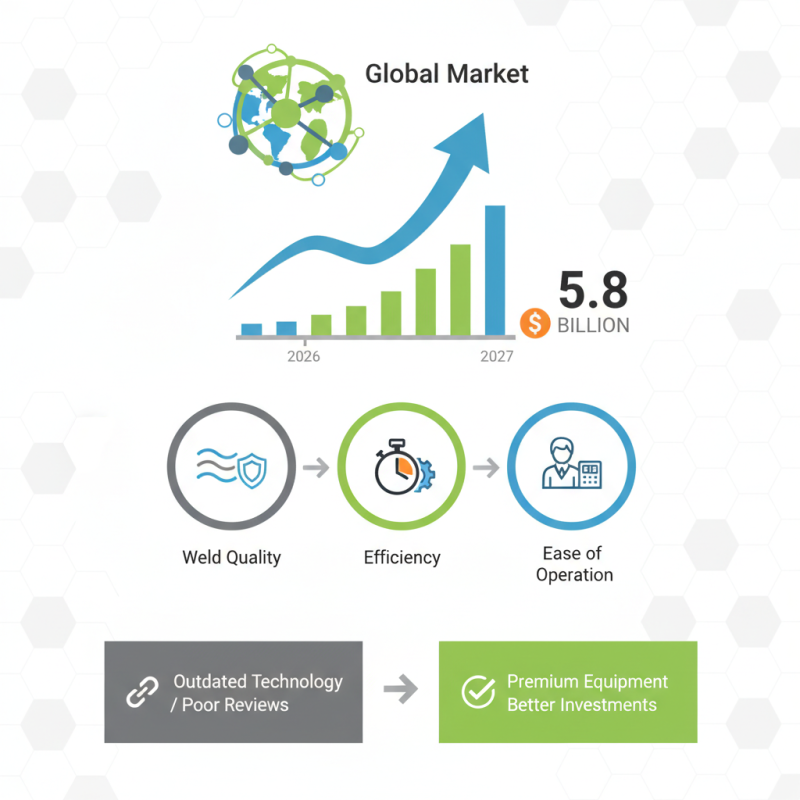
The geomembrane welding machine is a crucial tool in various industries, including construction and landfill management. According to a report by Research and Markets, the global geomembrane market is expected to reach USD 5.8 billion by 2027, driven by increasing demand for environmental protection measures.
When selecting a geomembrane welding machine, it’s essential to consider factors like weld quality, efficiency, and ease of operation. A high-quality machine ensures reliable seams, minimizing future leaks. However, not all machines deliver the performance expected. Buyers often encounter issues with durability or warranty support.
In the competitive landscape of geomembrane welding, making informed choices is vital. Outdated technology or poor user reviews can lead to regret later. Assessing features and specifications carefully will help avoid pitfalls. Understanding the industry trends and data can guide buyers towards better investments in premium equipment.
Key Features of Geomembrane Welding Machines for 2026
When considering geomembrane welding machines in 2026, several key features stand out. Durability is critical. Machines need to withstand various environmental conditions. Robust construction ensures longevity. Operators often face harsh weather, so machines must perform reliably.
Weight is another factor. Lighter models offer easier transport, but they sometimes sacrifice power.
Efficiency matters as well. Look for machines with adjustable temperature settings. This flexibility improves weld quality. Some devices feature automatic pressure control, enhancing the welding process. Users appreciate machines with clear, user-friendly interfaces. Complicated controls can lead to errors and frustration during projects.
Portability is essential for contractors on the move. Search for models with built-in handles or wheels. However, be cautious about stability. Bulky designs may compromise ease of use. Keep in mind the machine’s power source: electric vs. gas. Each has its pros and cons depending on project requirements. Evaluate how these elements align with your specific needs.
Types of Geomembrane Welding Technologies Explained
Geomembrane welding technologies are essential for various industrial applications. These technologies ensure the integrity of barriers in landfills, reservoirs, and more. One common method is hot wedge welding, known for its effectiveness in creating durable seams. Reports indicate that this technique can achieve seam strengths exceeding 90% of the material's tensile strength. Yet, it may require extensive training to master.
Another prevalent technology is extrusion welding. This involves melting a filler material into the seam, providing added reinforcement. While effective, it tends to be slower than other methods and may lead to inconsistent results if not performed correctly. A study highlighted that nearly 30% of extrusion welds tested showed some degree of failure due to improper technique.
Lastly, ultrasonic welding offers a unique approach. It uses high-frequency sound waves to create seams. This method can be advantageous for thinner materials and provides quick cycles. However, its limitations include higher initial equipment costs and the need for precise control. With advancements in technology, the industry anticipates improved efficiency and consistency in these processes.
2026 Top Geomembrane Welding Machines - What to Look For?
| Machine Type | Welding Technology | Max Welding Speed (m/min) | Material Compatibility | Power Supply (V) | Weight (kg) |
| Automatic Hot Wedge Welder | Hot Wedge | 3 | HDPE, LDPE | 220 | 45 |
| Extrusion Welder | Extruder | 1.5 | PVC, HDPE | 380 | 50 |
| Thermo Fusion Welder | Fusion | 2.5 | EPDM, TPO | 220 | 30 |
| Handheld Hot Air Welder | Hot Air | 2 | TPO, PVC | 220 | 4.5 |
| Automatic Seam Welder | Ultrasonic | 1 | HDPE, LLDPE | 220 | 35 |
Factors Influencing the Selection of Welding Machines
When selecting geomembrane welding machines, several critical factors come into play. The power output of the machine is essential. A powerful machine ensures consistent and reliable welds. But beware, overpowered machines can cause fabric damage. Finding a balance is crucial.
The type of welding technology matters too. Hot air and wedge welding are common. Each has its pros and cons. Hot air welders are typically easier to use but may not always provide the strongest seams. Wedge welders can create solid bonds but require skilled operators. Operators need training, or the results may disappoint.
Portability is often overlooked. A heavy machine can slow down the workflow. Look for machines that offer a good mix of durability and weight. Additionally, consider maintenance requirements. Some machines have intricate parts that can be hard to service. Simple designs generally lead to fewer headaches. Ultimately, the decision should align with specific project needs.
Maintenance Tips for Optimal Performance of Welding Equipment
Maintaining welding machines is crucial for their performance. Regular cleaning is an easy yet effective step. Dirt and debris can affect the machine's efficiency. Check the nozzles for any blockages that could hinder the welding process. Ensure that all connections are tight and free of corrosion. A simple inspection can save time in the long run.
Proper storage of equipment extends its lifespan. Keep machines in a dry, cool place to avoid moisture damage. Avoid stacking items on top of the equipment, as this can lead to physical damage. Also, consider checking the calibration settings periodically. Misalignment can cause poor welding results.
Be mindful of the wear and tear on your machines. Regularly replace worn-out parts to maintain optimal performance. Sometimes, operators neglect this aspect. This can lead to frustration and wasted materials. Investing time in maintenance pays off significantly. After all, a well-maintained machine performs better and delivers higher quality work.
2026 Top Geomembrane Welding Machines Performance Comparison
Future Trends in Geomembrane Welding Technology
The geomembrane welding industry is evolving rapidly. Future trends indicate a shift towards more automated and efficient welding machines. Recent reports show that enhancements in robotics could increase production speed by up to 30%. This will likely reduce labor costs and improve precision in weld seams.
Energy efficiency is another critical trend. Many manufacturers aim to design machines that consume less energy. Studies suggest that energy-efficient equipment can lower operational costs by around 15%. Moreover, software integration is becoming increasingly important. Advanced systems can monitor the welding process in real-time, ensuring quality control.
Despite these advancements, challenges remain. The transition to automated systems requires skilled technicians to manage them. Additionally, the initial investment for high-tech machines can be daunting. These factors can deter smaller companies from upgrading. The industry needs to address these barriers to fully embrace the future of geomembrane welding technology.

