What is the Average Cement Truck Cost in 2026?
As the construction industry evolves, understanding the cement truck cost is vital for project budgeting. By 2026, these costs are expected to reflect changes in materials, labor, and technology. Construction companies need precise estimates to remain competitive.
Cement trucks, essential for transporting concrete, play a crucial role in any construction project. Their costs vary based on size, technology, and local market conditions. It is important to note that fluctuations in fuel prices and demand can significantly impact these costs.
Investing in new cement truck technology may lead to higher initial prices. However, efficiency gains can result in long-term savings. Potential buyers must weigh these factors carefully. The upcoming changes in the cement truck marketplace require thoughtful consideration.
Average Cement Truck Cost Overview for 2026
As the construction industry evolves, the cost of cement trucks is expected to change in 2026. Understanding these trends is crucial for contractors and planners. Reports indicate that the average price of a cement truck may rise due to several factors, including material costs and demand for new technologies.
In 2026, the cost of a new cement truck could range significantly. Some estimates suggest prices may start at around $150,000. Higher-end models with advanced features could exceed $300,000. Maintenance and operational costs should also be considered. Fuel prices and insurance will continue to impact budgets. The ongoing push for eco-friendly solutions may add to the expense.
It's important to note that costs are influenced by various factors. Economic shifts and supply chain disruptions can create uncertainty. Decisions should be made based on current market analysis. Investing in a cement truck today may yield different results in the near future. Understanding trends is vital for making informed choices.
Factors Influencing Cement Truck Prices in 2026
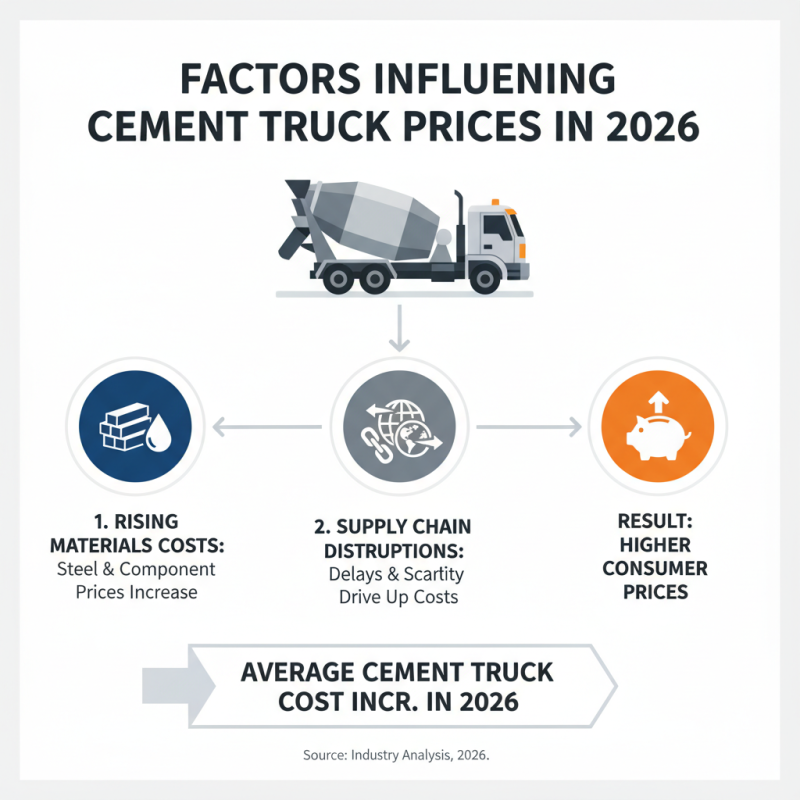
In 2026, the average cost of a cement truck is influenced by several key factors. Firstly, rising materials costs play a significant role. The price of steel and other components directly affects the overall truck price. Supply chain disruptions can further increase these costs, leading to higher prices for consumers.
Labor costs are another crucial element. Skilled workers are required for assembly and maintenance. As demand grows, so does the need for experienced technicians. This, in turn, can drive up the prices of the trucks. Additionally, inflation can impact operational expenses, leading companies to adjust their pricing strategies accordingly.
Technological advancements may also introduce new features, making trucks more efficient. However, these innovations often come with a higher price tag. Balancing the cost versus benefits becomes a challenge for many buyers. Overall, understanding these various factors will be essential for anyone looking to purchase a cement truck in 2026.
Regional Price Variations in Cement Trucks for 2026
Cement truck prices vary significantly across different regions in 2026. Factors such as local demand, labor costs, and availability of materials influence these prices. For example, urban areas often see higher costs due to increased transportation fees and a scarcity of available trucks. Conversely, rural regions may have lower costs but can face delays in delivery times.
Regional economic conditions play a crucial role as well. In areas experiencing construction booms, cement truck prices tend to rise sharply. Disruptions in supply chains can lead to spikes in costs, making price predictions more challenging. Additionally, local regulations can affect trucking expenses, especially in regions with strict environmental standards.
Buyers should carefully consider these factors when budgeting for a cement truck in 2026. Investing in a truck could be resource-intensive due to fluctuating costs. Researching regional market conditions is essential for making informed decisions. The cement truck market reflects broader economic trends, making it vital to stay updated on local developments.
Average Cement Truck Cost in 2026
The chart below illustrates the average cost of cement trucks across various regions in 2026. As indicated, there are significant variations in prices due to factors such as demand, material costs, and regional economic conditions.
Technological Advancements Impacting Cement Truck Costs
As we look towards 2026, the cost of cement trucks is likely to be influenced by several technological advancements. Innovations in automation and efficiency may drive down operational costs. New machines equipped with AI can optimize routes, reducing fuel consumption. This shift will affect overall pricing.
Electric-powered cement trucks are emerging. They promise not only to reduce emissions but also to lower maintenance costs. However, the infrastructure for charging these vehicles is still developing. This could lead to uneven costs across regions, impacting local markets differently.
Tips: When considering a new cement truck, evaluate its long-term cost-effectiveness. Look for models with advanced automation features. They might save money on labor in the future. Analyze local regulations regarding emissions. In some areas, eco-friendly trucks may provide tax benefits.
What is the Average Cement Truck Cost in 2026? - Technological Advancements Impacting Cement Truck Costs
| Truck Type |
Average Cost (USD) |
Capacity (Cubic Yards) |
Technological Features |
| Standard Cement Truck |
$125,000 |
10 |
Basic GPS, Manual Controls |
| Advanced Cement Truck |
$150,000 |
12 |
GPS, Automated Controls, Backup Camera |
| Electric Cement Truck |
$200,000 |
10 |
Fully Electric, Advanced GPS, Safety Sensors |
| Hybrid Cement Truck |
$175,000 |
11 |
Hybrid Engine, GPS, Touchscreen Controls |
| High-Performance Cement Truck |
$250,000 |
14 |
High Efficiency Engine, Advanced Navigation, AI-Assisted |
Future Trends in Cement Truck Pricing Beyond 2026
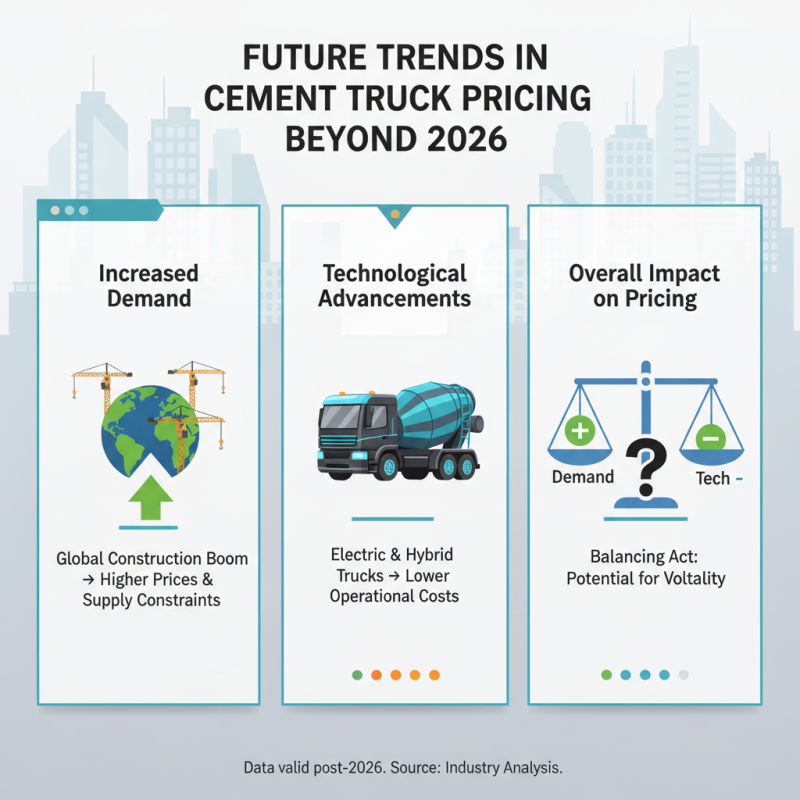
As we look to the future of cement truck pricing, several factors may shape the landscape beyond 2026. First, demand will likely increase as construction projects accelerate globally. This uptick may push prices higher due to supply constraints. However, advancements in technology could offer some relief. Electric and hybrid cement trucks are emerging, potentially lowering long-term operational costs.
The influence of global economic conditions cannot be overlooked. Inflation and raw material prices will play significant roles in pricing trends. In addition, regulations aimed at reducing emissions are expected to impact future truck designs. These changes will require manufacturers to adapt. Such adaptations may influence both initial costs and overall value for consumers.
Interestingly, while predictions suggest rising prices, uncertainty remains a constant factor. No one can accurately predict the exact costs years ahead. Industry experts often emphasize the importance of flexibility. Businesses may need to reassess their budgeting and consider alternative strategies for procurement. Engaging in detailed market research and sustainability practices could enhance long-term stability, even amid fluctuating prices.