10 Best Cement Delivery Companies for Global Buyers?

Choosing the right cement delivery company can influence project schedules, material quality, and total construction costs. Global buyers need more than a low quotation. They must examine product standards, delivery records, port access, packaging, and communication practices. A delayed shipment can leave concrete crews waiting beside an unfinished foundation.

This guide reviews ten cement delivery companies serving international buyers. It considers their supply capabilities, regional coverage, export experience, and customer support. The assessment also looks at cement types, including Portland cement, blended cement, and specialized products for demanding environments. Reliable suppliers should provide clear technical documents, batch information, loading details, and realistic arrival estimates. Strong documentation matters.

Practical experience shows that delivery performance depends on more than the manufacturer. Freight routes, customs procedures, weather, storage conditions, and destination infrastructure can all affect results. Buyers should verify current certifications and request samples when appropriate. No ranking can fit every project. A contractor building a coastal warehouse may need different support than a public infrastructure developer inland.

Some company information may change over time. That deserves attention. Prices, shipping schedules, production capacity, and service areas are not permanent. This introduction therefore treats the list as a practical starting point, not a final purchasing decision. By comparing evidence carefully, buyers can identify a cement delivery partner that balances quality, reliability, compliance, and cost. The best choice is rarely the cheapest. It is the supplier that performs consistently when conditions become difficult.
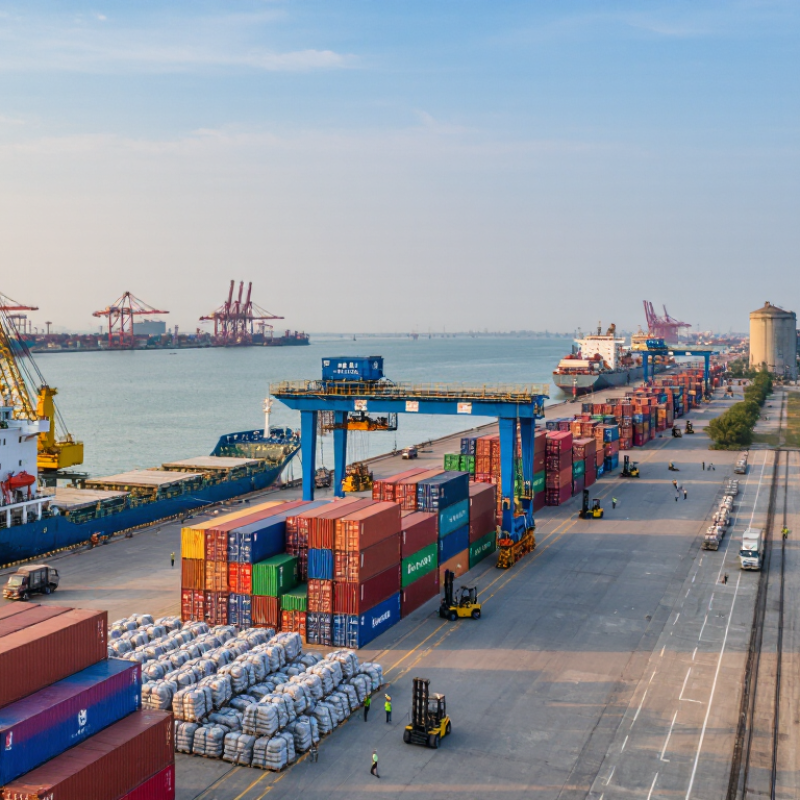
10 Best Cement Delivery Companies for Global Buyers?

Global Cement Market: More Than 4 Billion Tonnes Produced Annually

The global cement market produces more than four billion tonnes every year. This volume supports roads, housing, ports, and industrial facilities across continents. Yet production alone does not guarantee reliable supply. Cement is heavy, time-sensitive, and vulnerable to moisture. A delayed truck or damp container can turn usable powder into costly waste. Global buyers therefore assess delivery companies as carefully as they assess price and origin.

A dependable provider should show verified production sources, clear export documents, and consistent quality testing. Buyers should request recent test results for strength class, setting time, and chemical composition. Shipment planning also matters. Bulk vessels suit large infrastructure orders, while sealed bags may suit smaller sites. Reliable logistics teams provide loading dates, vessel details, tracking updates, and contingency plans for port congestion. Details matter.

Local storage deserves equal attention. Covered silos, dry warehouses, and calibrated weighing systems protect cement after arrival. Buyers should compare total landed cost, not only the quoted tonne price. Insurance, demurrage, inland transport, and unloading equipment can change the final figure sharply. One weakness remains: forecasts are often treated as facts. Demand can shift, ports can close, and weather can disrupt schedules. A careful contract allows inspection, reasonable claims, and revised delivery windows without hiding uncertainty.

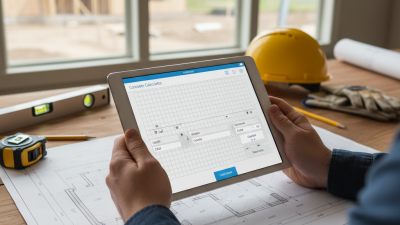
Ranking the 10 Best Cement Delivery Companies by Global Reach

Ranking the 10 Best Cement Delivery Companies by Global Reach requires more than counting offices. A truly global provider should serve multiple regions, maintain dependable shipping routes, and understand local import rules. It should also offer consistent cement grades, clear technical documents, and responsive support across time zones.

The highest-ranked companies typically combine large production networks with flexible sea, rail, and road delivery. Their reach may include ports in Asia, Africa, Europe, the Middle East, and the Americas. Strong providers also manage bulk vessels, bagged cement, storage terminals, and emergency replacements. Small details matter. A delayed certificate can hold a shipment at port for days.

Reliability deserves careful attention. Buyers should compare delivery records, packaging quality, payment procedures, and independent product testing. Price alone can create a misleading ranking. A cheaper offer may involve longer routes, limited insurance, or uncertain port handling. No ranking remains perfect. Fuel costs, weather, sanctions, and port congestion can change performance quickly. I would review recent shipment evidence before signing any long-term agreement. That practical step is often overlooked.

Company Profiles: Capacity, Export Ports, Standards, and Service Areas

10 Best Cement Delivery Companies for Global Buyers?

A serious company profile should show clinker and cement capacity separately. Capacity alone misleads. The USGS Mineral Commodity Summaries 2024 estimated global cement production at about 4.1 billion tonnes in 2023. Buyers should compare verified annual output, not impressive website figures. Each profile should identify export ports, berth depth, silo volume, loading rate, and available vessel sizes.

Export access can change landed cost quickly. A supplier near a deep-water terminal may outperform a larger inland producer. Strong candidates should serve regional markets through reliable routes across Africa, Asia, Europe, and the Middle East. Port records, customs data, and recent bills of lading provide better evidence than sales claims. I would also check backup terminals. Delays happen.

Standards separate a workable supplier from a risky one. Profiles should state compliance with EN 197-1, ASTM C150, or applicable national standards. ISO 9001 supports process control, but it does not guarantee every shipment. Request recent test certificates for strength, setting time, chloride content, and fineness. The IEA reports that cement production contributes roughly 7% of global energy-related CO2 emissions, so credible suppliers should disclose emissions data and alternative-fuel practices. Still, sustainability claims need independent verification. Some profiles may look incomplete, and that is useful. Missing data deserves questions, not automatic rejection.

10 Best Cement Delivery Companies for Global Buyers? — Company Profiles: Capacity, Export Ports, Standards, and Service Areas
Profile Typical Annual Cement / Clinker Capacity Primary Export Port Network Common Cement Products Applicable International Standards Typical Service Areas Packaging Options Loading & Delivery Capability Buyer Support Features
Profile 01 8–15 million tonnes per year Eastern Mediterranean terminals; dedicated bulk and break-bulk facilities Portland cement Clinker Blended cement EN 197-1; ASTM C150; ASTM C595; ISO 9001 quality systems Europe, North Africa, the Middle East, and West Africa Bulk vessels; 25 kg and 50 kg bags; 1.5–2.0 tonne jumbo bags Regular vessel programs with bulk loading systems and container-compatible bagged shipments Technical data sheets, certificates of analysis, pre-shipment inspection, and export documentation
Profile 02 5–12 million tonnes per year Black Sea and Marmara Sea ports with conveyor-fed loading lines CEM I CEM II Construction-grade clinker EN 197-1; ISO 9001; ISO 14001; applicable national conformity marks Southern Europe, the Balkans, North Africa, and the Caucasus Bulk pneumatic loading; valve bags; woven polypropylene bags; jumbo bags Small-lot container shipments and full-vessel cargoes, subject to port draft and berth availability Multi-language sales support, customs paperwork, third-party inspection coordination, and shipment tracking
Profile 03 3–8 million tonnes per year Western Mediterranean and Atlantic-facing terminals Portland limestone cement Pozzolana cement Clinker EN 197-1; ASTM C150; ASTM C1157; CE-related product documentation where applicable Latin America, the Caribbean, West Africa, and selected European markets Bulk cargo; 25 kg bags; 40 kg bags; 50 kg bags; big bags Flexible export scheduling through deep-water terminals and regional distribution warehouses Mix-design assistance, product samples, batch traceability, and support with import compliance
Profile 04 10–20 million tonnes per year South Asian deep-water ports and privately operated marine terminals OPC 43 grade OPC 53 grade PPC Clinker ASTM C150; ASTM C595; IS 269; IS 1489; ISO 9001 East Africa, the Indian Ocean, the Middle East, and South Asia Bulk vessels; 50 kg bags; laminated bags; 1.5 tonne jumbo bags High-volume bulk loading, container stuffing, and scheduled break-bulk deliveries Pre-dispatch testing, moisture-control procedures, fumigation documents where required, and online order updates
Profile 05 4–10 million tonnes per year Arabian Gulf terminals with bulk silos and bagging stations Ordinary Portland cement Sulphate-resistant cement Oil-well cement ASTM C150; API Specification 10A for oil-well cement; EN 197-1; ISO 9001 Gulf countries, East Africa, South Asia, and the Red Sea region Bulk pneumatic tankers; bulk vessels; 50 kg bags; jumbo bags Reliable access to feeder vessels and regional ports, with loading plans tailored to project schedules API-related documentation where applicable, laboratory reports, product conformity files, and project-based supply planning
Profile 06 2–6 million tonnes per year East Asian container ports and bulk terminals serving short-sea routes General purpose cement High-strength cement Low-heat cement JIS R 5210; JIS R 5211; ASTM C150; ISO 9001; ISO 14001 East Asia, Southeast Asia, Oceania, and Pacific island markets 25 kg and 40 kg bags; bulk containers; bulk vessels; jumbo bags Strong container logistics, short-sea delivery options, and consolidated cargo services Detailed laboratory data, multilingual technical documents, palletization options, and barcode-based shipment control
Profile 07 1–5 million tonnes per year North European and Baltic Sea terminals with covered storage CEM I CEM II CEM III Low-carbon cement EN 197-1; EN 197-5; CE marking requirements; ISO 9001; ISO 14001 European Union, the United Kingdom, Scandinavia, and nearby Atlantic markets Bulk vessels; silo-truck loading; valve bags; moisture-resistant paper bags Short-haul marine distribution, inland rail or truck connections, and scheduled silo replenishment Environmental product declarations where available, carbon information, conformity documentation, and technical consultation
Profile 08 6–14 million tonnes per year Southern African bulk terminals and Indian Ocean export routes Portland cement PPC Slag-blended cement Clinker SANS 50197-1; ASTM C150; EN 197-1; ISO 9001 Southern Africa, East Africa, the Indian Ocean, and selected Middle Eastern markets 50 kg bags; bulk vessels; jumbo bags; containerized bagged cargo Regional warehousing, break-bulk distribution, and full-vessel export programs Country-specific labeling, certificate legalization support, product sampling, and cargo insurance coordination
Profile 09 2–7 million tonnes per year North American Gulf and Pacific Coast terminals Type I/II cement Type III cement Type IL cement Blended cement ASTM C150; ASTM C595; ASTM C1157; AASHTO M 85; ISO 9001 North America, Central America, the Caribbean, and selected Pacific destinations Bulk vessels; pneumatic tankers; 42.6 kg bags; 50 kg bags; jumbo bags Project cargo planning, terminal-to-site delivery, domestic transloading, and multimodal logistics Mill certificates, safety data sheets, performance testing, regulatory support, and scheduled replenishment programs
Profile 10 1–4 million tonnes per year South American Atlantic and Pacific ports with regional bagging facilities CPN cement Portland cement Pozzolan cement Clinker IRAM 50000; NCh 148; ASTM C150; EN 197-1 where contractually specified South America, Central America, the Caribbean, and transatlantic destinations Bulk cargo; 25 kg bags; 40 kg bags; 50 kg bags; jumbo bags Break-bulk and containerized export capability with inland truck and rail coordination Spanish- and Portuguese-language support, destination-specific documentation, inspection booking, and delivery milestone reporting
Capacity figures represent indicative annual export-capable ranges for anonymized cement supplier profiles. Applicable standards, port access, product availability, and service coverage should be confirmed against the supplier’s current technical and commercial documentation.

Buyer Metrics: Freight Cost, Lead Time, MOQ, Incoterms, and Payment Terms

Choosing among the ten best cement delivery companies requires more than comparing the quoted ton price. Freight can change the final cost by hundreds of dollars per container. Ask for a line-by-line freight breakdown, including port fees, documentation, inland transport, and insurance. A low offer may hide expensive destination charges. Small print matters.

Lead time should include production, bagging, port handling, and sailing schedules. Request a realistic delivery window, not only the fastest possible estimate. Record each supplier’s minimum order quantity, or MOQ, beside your project volume. A small contractor may need 200 tonnes, while a large infrastructure buyer may require several thousand. Ordering too much can create storage problems and quality risks.

Incoterms must match your logistics experience. FOB may suit buyers with strong freight control, while CIF can simplify early shipments. Confirm who handles customs clearance, unloading, and demurrage. Payment terms also deserve careful review. Letters of credit can reduce risk, but they may increase banking costs. Partial deposits require stronger supplier verification and clear production milestones. I once treated a short lead time as proof of reliability; that was careless. Check test certificates, factory capacity, export records, packaging quality, and independent inspection options. Compare at least three written quotations using the same cement grade, packing format, destination port, and delivery date. Even then, unexpected delays remain possible.

10 Best Cement Delivery Companies for Global Buyers: Buyer Metrics

Indicative bulk cement procurement benchmarks based on common international shipping and trade-practice ranges. No individual company or brand data is shown.

Typical Lead Time
25–55 days
Production, port handling, ocean transit and customs clearance.
Typical MOQ
500–2,000 MT
Bulk shipments generally require larger minimum order quantities.
Common Incoterms
FOB / CFR / CIF
The selected term determines freight, insurance and risk allocation.
Payment Terms
20–30% Deposit
The balance is commonly settled against shipping documents or before delivery.

Freight figures are indicative ocean-freight ranges for bulk cement routes and may change with vessel availability, fuel prices, port congestion, cargo volume and seasonal demand.

Compliance Checks: ASTM C150, EN 197-1, ISO 9001, and Import Rules

10 Best Cement Delivery Companies for Global Buyers?

Global cement buying starts with compliance, not freight speed. The USGS Mineral Commodity Summaries 2024 estimates worldwide cement output at roughly 4.1 billion tonnes in 2023. That scale increases the risk of inconsistent documentation. Buyers should request recent test reports for each shipment lot, not only a general certificate.

Check whether the product matches ASTM C150 or EN 197-1 requirements. These standards address cement composition, performance, and testing methods. A laboratory report should show chemical results, fineness, setting time, soundness, and compressive strength. Look closely. “Compliant” without test values is weak evidence.

ISO 9001 certification supports production control, but it does not prove that every bag meets a cement standard. This distinction is often missed.

Import preparation also needs practical detail. Confirm the HS code, country of origin, packing marks, safety documents, customs permits, and destination testing rules.

The IEA’s 2023 cement analysis identifies clinker reduction and emissions control as important industry priorities, so environmental declarations may increasingly affect procurement decisions.

Delivery companies should provide sealed-container records, loading photographs, batch numbers, and temperature or moisture controls where relevant. Documents can still contain small errors. Dates, weights, and consignee details deserve a second review before dispatch.