Best Valve Guide Customized Solutions for Optimal Performance?
In the evolving landscape of the valve manufacturing industry, "Valve Guide Customized" solutions play a vital role in enhancing performance. A recent industry report reveals that customized components can increase overall engine efficiency by up to 15%. This significant improvement underscores the importance of tailoring valve guides to meet specific engine requirements.
Moreover, data suggests that using precision-engineered valve guides reduces wear and prolongs engine life. This customization not only enhances performance but also addresses the growing demand for sustainability in manufacturing. However, achieving optimal customization involves complex engineering challenges. Many companies struggle with integrating advanced materials and technologies, which can lead to inefficiencies.
Innovation in valve guide design is crucial. Yet, many manufacturers overlook the importance of continuous improvement in these areas. The path to achieving the perfect balance between performance and durability is fraught with obstacles. Companies must reflect on their approach to customization, ensuring that their solutions meet the evolving sector demands. The journey toward optimal performance hinges on embracing the value of customized solutions in valve guide manufacturing.
Understanding Valve Guides and Their Importance in Engine Performance
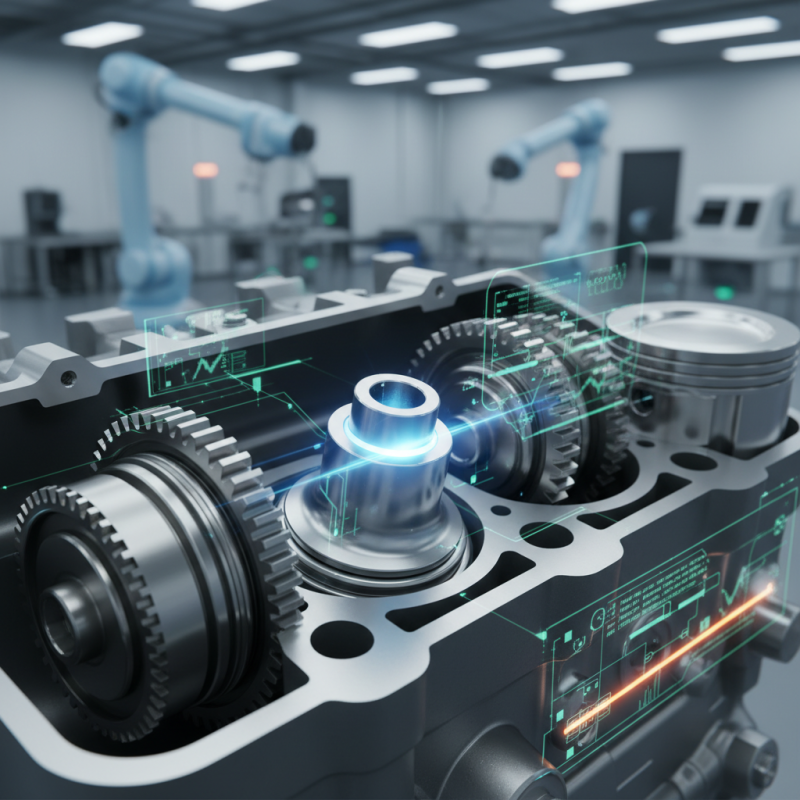
Valve guides play a critical role in engine performance. They support the valve stems and ensure proper alignment during operation. When valve guides function well, they maintain optimal seal and combustion efficiency. According to industry reports, worn or misaligned valve guides can reduce engine efficiency by up to 10%.
The material and design of valve guides significantly impact engine performance. Traditional cast iron offers durability, but newer materials like bronze and aluminum alloys can enhance thermal conductivity. Studies show that using advanced materials increases performance by approximately 5-7%. However, not all combinations fit every engine type. Customization is often necessary for achieving the best results.
Despite advancements, many engine builders overlook valve guide quality. They might focus more on other components. This oversight can lead to increased wear. Insufficient attention to valve guides may cause premature failure. Over time, this can result in costly repairs. Engine professionals should prioritize this aspect for better performance and efficiency.
Key Factors Influencing Valve Guide Design and Customization
When considering valve guide design, several key factors come into play. The material choice stands out. Common materials include bronze, iron, and even modern composites. Each material impacts wear resistance and thermal conductivity differently.
Precision is crucial in the customization process. A minor miscalculation can lead to significant performance issues. For example, too tight a fit can cause binding, while too loose may result in valve flutter.
Tip: Consistent measurements during design are essential. Regularly verify dimensions and alignments to avoid costly mistakes.
Another factor is the operating environment. High temperatures and pressures demand specific design considerations. Engineers must account for these conditions to ensure durability.
Tip: Conduct thorough testing under varied conditions. This step can identify weaknesses before full-scale production.
With these factors in mind, customization becomes a delicate art. Every choice shapes the end product's efficiency and longevity. Balancing design with practicality is necessary. Hope to improve, but the challenge remains.
Benefits of Customized Valve Guides for Various Engine Applications
Customized valve guides play a crucial role in enhancing engine performance across various applications. According to a recent industry report, up to 20% of performance issues in engines can be traced back to improper valve guide dimensions. This highlights the need for precision in manufacturing. Each engine has specific requirements. A one-size-fits-all approach often leads to inefficiencies. Customized solutions address these unique demands.
The benefits of tailored valve guides extend beyond mere performance. They contribute to improved longevity of engine components. A study found that customized guides can increase engine life by 15%. Reduced wear and tear leads to more reliable operation. However, not all designs yield the same results. Testing different materials and configurations can be essential. The need for ongoing evaluation remains critical in this fast-evolving sector.
Some challenges still exist. Not all manufacturers may adhere to the latest technological advancements. This inconsistency can result in mismatched performance. There's a fine balance between cost and quality. It’s vital to assess the long-term benefits of opting for customized solutions. Not all products on the market meet the necessary standards or expectations. Engineers must keenly evaluate the specifics. This ensures that every detail aligns with the engine's functionality.
Choosing the Right Materials for Optimal Valve Guide Performance
Selecting the right materials for valve guides is crucial for enhancing performance. The valve guide plays a significant role in the engine's overall efficiency. It must endure high temperatures and pressures. Materials like bronze and aluminum have been common choices, but they may not always provide the best results.
Bronze offers durability, but can wear down quickly in high-performance settings. Aluminum, while lighter, may lack the strength needed under extreme conditions. It's essential to assess the specific application of the valve guide. In some cases, a composite material could offer a better balance between weight and durability. Even minor variations in material selection can lead to noticeable performance changes.
Engineers must also consider the machining processes used. Precision in manufacturing affects how well the valve guide fits. A poor fit can lead to increased friction and wear. Adjustments in design may be necessary based on testing outcomes. Continuous refinement is key to achieving optimal results in valve guide performance.
Implementing Advanced Manufacturing Techniques for Custom Valve Guides
In the world of valve manufacturing, customized solutions can drive optimal performance. Advanced manufacturing techniques are reshaping the industry. These techniques often include precision machining and additive manufacturing. They allow for tight tolerances and unique designs tailored to specific needs. However, not every advancement is flawless. Some techniques may increase production costs unexpectedly.
Take CNC machining, for example. It enhances the accuracy of valve guides significantly. Yet, this method requires a skilled workforce and may lead to longer lead times. In contrast, additive manufacturing offers rapid prototyping and flexibility. But it can struggle with material durability. Finding the right balance between efficiency and quality is an ongoing challenge.
It's vital to evaluate the requirements carefully. Assessing the operational environment is crucial. The guide must withstand pressure, temperature, and wear. Integration of smart technologies, such as IoT sensors, is also emerging. They monitor performance in real-time. However, not every manufacturer has embraced this change. Addressing these gaps can lead to smarter, more efficient valve solutions.

