How to Choose the Best Ready Mix Cement for Your Projects?
Choosing the right ready mix cement is essential for the success of any construction project. With various types available, it can be overwhelming to make the best choice. This decision impacts the durability, strength, and overall quality of your work.
Understanding the components of ready mix cement is crucial. Different projects may require different formulas based on climate, load, and exposure conditions. For example, a project in a wet environment may need a waterproof mix, while a structure under heavy load demands high-strength cement. It's important to assess your specific needs.
Additionally, be mindful of the supplier's reputation. The quality of ready mix cement varies significantly between brands. Always consider testimonials and industry recognition. Compromising on quality can lead to structural failures, prompting costly repairs. Ultimately, a thoughtful selection process can enhance the longevity and integrity of your construction work.
Understanding Different Types of Ready Mix Cement Available in the Market
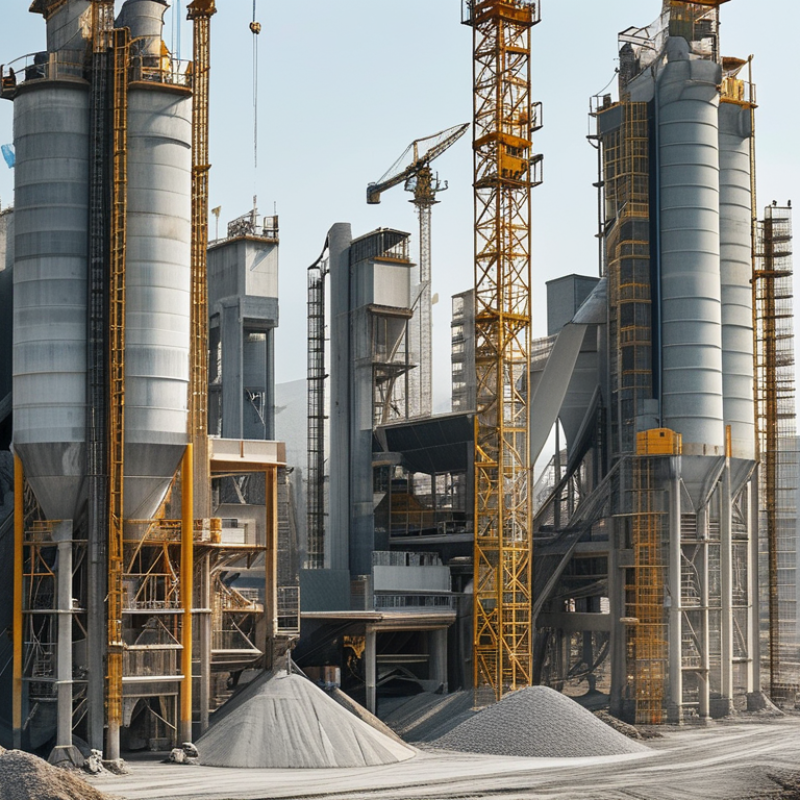
When selecting ready mix cement, understanding the various types can significantly impact project outcomes. The market offers several options, including standard, high-strength, and lightweight concrete mixes. Each type serves specific needs. For instance, high-strength concrete is ideal for high-load structural applications, while lightweight mixes are suitable for applications where weight is a concern.
Industry reports indicate that over 70% of construction projects utilize ready mix cement due to its convenience and quality control. Standard mixes typically contain cement, water, sand, and gravel, making them versatile for general construction. In contrast, high-strength mixes feature a higher cement content, along with additives that enhance performance characteristics. Alongside these, fiber-reinforced mixes introduce materials to improve crack resistance and durability.
Choosing the best type of cement requires careful consideration of project requirements. Critical factors include load-bearing capacity, application environment, and expected durability. However, many contractors overlook specific project demands, leading to potential failures or increased costs. The wrong choice can result in structural issues, which adds time and expense. Therefore, understanding each mix's properties is crucial for achieving successful project outcomes.
Key Factors to Consider When Selecting Ready Mix Cement for Your Project
When selecting ready mix cement for your construction projects, certain key factors play a crucial role. The quality of the raw materials used directly affects the strength and durability of the cement. According to a report by the Portland Cement Association, high-performance concrete often requires precise material selection. This emphasizes the need to choose a supplier who prioritizes quality control in raw ingredients.
Another aspect to consider is the specific project requirements. Different projects may need varying strengths of cement mixtures. The American Concrete Institute suggests tailoring the cement type to the load-bearing demands. In regions with extreme weather, special additives may be necessary for resilience. Experts recommend checking specifications such as compressive strength and setting time based on these conditions.
Finally, understanding local regulations is essential. Compliance with standards can dictate material choices as well. Additionally, cost considerations should not compromise quality. Investing in higher-grade ready mix cement can prevent future structural issues. Confidently assessing these factors can lead to better project outcomes. It's a delicate balance of cost versus durability.
How to Choose the Best Ready Mix Cement for Your Projects? - Key Factors to Consider When Selecting Ready Mix Cement for Your Project
| Factor |
Description |
Importance |
Recommended Values |
| Compressive Strength |
Ability to withstand axial loads without failure. |
High |
At least 25 MPa at 28 days |
| Workability |
Ease of mixing, placing, and finishing. |
Medium |
Slump between 80-100 mm |
| Durability |
Resistance to weathering, chemical attack, and freeze-thaw cycles. |
High |
Use of pozzolans or admixtures is advisable |
| Setting Time |
Time required for initial setting and final hardening. |
Medium |
Initial set: 2-4 hours; Final set: 6-8 hours |
| Water-Cement Ratio |
Ratio of water to cement in the mix. |
High |
Typically 0.4 to 0.6 for good strength |
Evaluating Quality: Testing and Certifications for Ready Mix Cement
When selecting ready mix cement, evaluating its quality is crucial. Various testing methods and certifications can indicate reliability. Seek cement that meets local and international standards. Look for materials tested for compressive strength and durability. Quality cement can withstand environmental pressures, ensuring project longevity.
Certifications from trusted organizations add credibility. They show that the cement has undergone rigorous testing. However, not all certifications are equal. It’s important to verify their authenticity. Sometimes, misleading claims can lead to subpar materials. Take time to research and understand what these certifications entail.
Consider the production processes too. Some manufacturers may use techniques that compromise quality for cost. It's important to ask questions. Are raw materials sourced responsibly? Are the mixing processes consistent and well-monitored? Reflection on these factors can guide you to the best choices for your construction needs.
Calculating Quantity Needed: Tips for Estimating Cement Requirements
Calculating the right amount of ready mix cement is essential for successful projects. To estimate your cement requirements accurately, start by understanding the area you intend to cover. For concrete, a standard mix ratio is 1:2:3, which means one part cement, two parts sand, and three parts gravel. According to industry data, an average bag of cement weighs around 94 pounds and covers approximately 1.5 cubic feet when mixed properly.
Next, measure the length, width, and depth of the area you’re working on. For example, if you're pouring a slab that is 10 feet long, 4 feet wide, and 0.5 feet deep, calculate the volume in cubic feet. This comes to 20 cubic feet. Divide this by the coverage provided by a bag of cement. In this case, you would need roughly 13 bags of cement. However, it is important to factor in waste, which can account for up to 10% of the total amount, depending on the precision of your mix.
Miscalculations often lead to shortages or excess. It can be frustrating when your project stalls due to underestimated needs. In contrast, over-purchasing can inflate costs unnecessarily. Regularly reviewing your calculations can help minimize these mistakes and ensure smoother project management. When in doubt, consult a professional for advice tailored to your specific project.
Cost Considerations: Budgeting for Ready Mix Cement Purchases and Delivery
Budgeting for ready mix cement is crucial for any project. The cost can vary significantly based on location, the type of cement, and the quantity needed. Understanding these factors helps avoid unexpected expenses. It's wise to get multiple quotes before deciding.
Consider delivery fees, as they can add to the overall expense. Some suppliers charge based on distance. If your site is remote, you might pay more. Be sure to factor this into your budget. Planning for contingencies is also essential. Materials can increase in price unexpectedly.
Remember that quality doesn't come free. Cheaper options might seem tempting, but they can lead to issues later. It's important to balance cost with the reliability of the material. Ensuring proper quality often saves money in the long run.