Why Choose a Multi Axis CNC Lathe for Your Manufacturing Needs?
In the fast-evolving world of manufacturing, choosing the right tools can significantly impact efficiency and quality. Industry expert Dr. Emily Carter emphasizes, "A Multi Axis Cnc Lathe brings unparalleled precision to complex machining tasks." This technology has revolutionized how manufacturers approach intricate designs.
The Multi Axis CNC Lathe offers capabilities beyond traditional lathes. It allows for multiple cuts and angles in a single setup. This reduces production time and minimizes the risk of errors. However, not all companies may understand its full potential. Some may overlook the need for skilled operators familiar with its complexities. Investing in training is vital to leverage this technology fully.
Manufacturers face tough decisions when updating their equipment. The Multi Axis CNC Lathe can appear daunting due to its cost and learning curve. Yet, the long-term benefits often outweigh these initial challenges. As competition grows, embracing advanced tools may not just be an option but a necessity for survival.
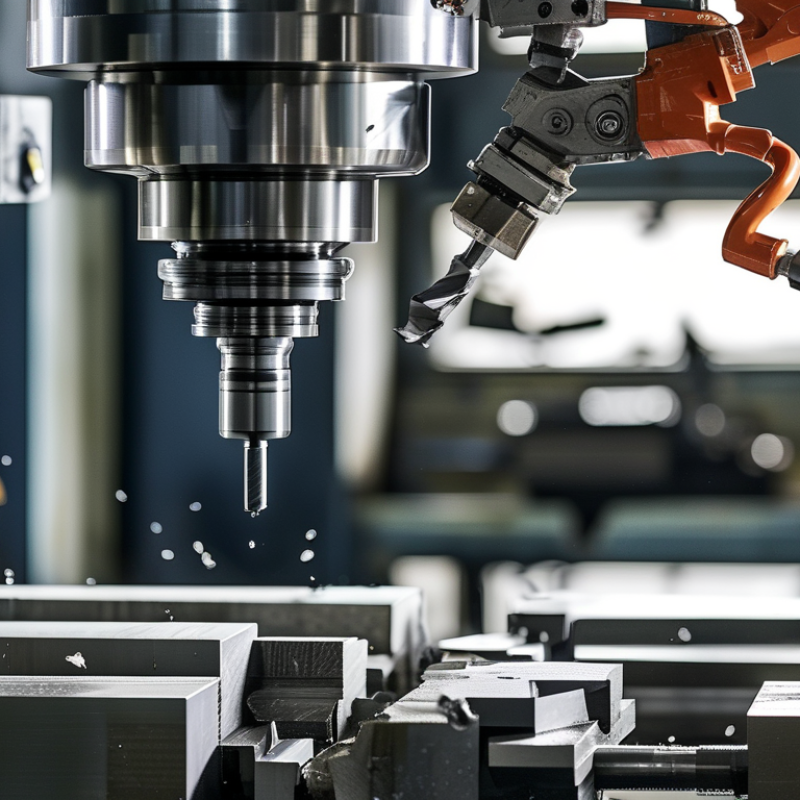
Understanding Multi Axis CNC Lathes and Their Functionality
Multi Axis CNC lathes are essential in modern manufacturing. These machines perform complex operations that traditional lathes cannot achieve. Multi Axis lathes can rotate tools and workpieces in multiple directions, allowing for intricate designs. They increase efficiency and precision in producing parts. With fewer setups needed, the process becomes less time-consuming.
When selecting a multi axis CNC lathe, consider the extent of your projects. Assess the size and complexity of parts you will produce. A machine that is too advanced for your needs may lead to wasted resources. Yet, a basic model may not meet your demands. Understanding these elements is crucial.
**Tips:** Invest time in training your operators. Well-trained staff can maximize the features of multi axis lathes. Regular maintenance is also critical. Keep machines in optimal condition to avoid unforeseen downtimes. Lastly, analyze production data regularly; this will help identify areas for improvement within your operations.
Advantages of Multi Axis CNC Lathes Over Traditional Lathes
Multi Axis CNC lathes offer distinct advantages over traditional lathes. They provide enhanced precision and flexibility in manufacturing. With multiple axes of movement, these machines can create complex geometries. This capability reduces the need for multiple setups, saving both time and labor costs.
One significant benefit is the ability to perform multiple operations in a single setup. Traditional lathes often require repositioning, which can introduce errors. Multi Axis CNC lathes minimize this risk, ensuring consistent quality. They can also handle diverse materials, expanding manufacturing possibilities.
Tips: When selecting a machining solution, consider future scalability. Evaluate how multi-axis capabilities can meet evolving project demands. Also, remember to invest in operator training. Skilled operators can unlock the full potential of these advanced machines.
While multi Axis CNC lathes increase efficiency, they also demand careful programming. Mistakes in setup or coding can lead to wasted material and time. Manufacturers must foster a culture of continuous learning to navigate these challenges effectively.
Key Industries That Benefit from Multi Axis CNC Lathe Technology
Industries across the globe rely heavily on multi-axis CNC lathe technology. Aerospace is a prime example. These machines create complex parts like turbine blades with precision. Aerospace manufacturers require high accuracy due to safety regulations. Multi-axis machines can achieve detailed geometries efficiently. This reduces production time significantly.
Medical device manufacturing is another key sector utilizing multi-axis CNC lathes. Components for implants and surgical instruments need exceptional precision. A multi-axis lathe can produce intricate shapes and features that meet stringent healthcare standards. Using these machines allows manufacturers to iterate designs quickly, but they must invest in training staff adequately.
In the automotive industry, multi-axis CNC lathes help produce components like camshafts and crankshafts. High-volume production demands robust technology that ensures uniformity. However, integrating new technologies can be challenging. There’s a learning curve involved when transitioning from traditional lathes. Companies must evaluate their workforce's readiness for advanced machinery.
Why Choose a Multi Axis CNC Lathe for Your Manufacturing Needs?
| Industry | Benefits of Multi Axis CNC Lathe | Applications |
| Aerospace | High precision and complex parts manufacturing | Engine components, landing gear |
| Automotive | Increased productivity and reduced setup times | Transmission parts, valve bodies |
| Medical | Manufacturing of high-precision instruments | Surgical tools, implants |
| Energy | Ability to create complex geometries | Turbine components, valve parts |
| Electronics | Production of intricate and miniaturized components | Connectors, housings |
Factors to Consider When Choosing a Multi Axis CNC Lathe
When selecting a multi-axis CNC lathe, several key factors deserve attention. Precision is paramount. A study by the Manufacturing Technology Association reports that multi-axis CNC machines can achieve tolerances as tight as 0.01 mm. This level of precision can significantly enhance product quality. The ability to perform complex machining operations in a single setup reduces alignment errors and increases efficiency.
Another crucial consideration is machine flexibility. Multi-axis lathes can handle various materials, shapes, and sizes. According to a report from the International Federation of Robotics, firms using these machines have reported a 30% increase in production capacity. This versatility can lead to a diverse product range and better adaptation to market changes.
Maintenance is often overlooked but essential. Regular checks and part replacements can prevent costly downtimes. Yet, some manufacturers neglect these recommendations, leading to performance drops. A proactive approach to maintenance ensures long-lasting performance, contributing to lower operational costs over time. Balancing these factors can significantly impact manufacturing success.
Why Choose a Multi Axis CNC Lathe for Your Manufacturing Needs?
This chart illustrates the key factors to consider when choosing a multi axis CNC lathe for manufacturing. Each factor is rated on a scale from 1 to 10 based on its importance in the decision-making process.
Maintenance and Care Tips for Multi Axis CNC Lathes
Proper maintenance of multi-axis CNC lathes is crucial for optimal performance. These machines can significantly improve manufacturing efficiency, but neglecting their care can lead to costly downtimes. According to a study by the National Institute of Standards and Technology (NIST), regular maintenance can reduce machine failures by up to 30%. This is a compelling reason to implement a proactive maintenance schedule.
Daily inspection routines should include checking for signs of wear, ensuring all moving parts are lubricated, and verifying that coolant levels are adequate. It’s essential to clean chips and debris from the work area to prevent contamination, which can affect precision. Reports indicate that 25% of CNC lathe malfunctions are attributed to inadequate cleaning and maintenance practices.
In addition to regular checks, periodic professional servicing is advisable. Experts suggest a detailed inspection every 500 hours of operation. This can identify issues like motor wear or misalignment before they escalate into larger problems. Machine operators should be trained to recognize abnormal sounds or vibrations. Ignoring these signs can lead to severe damage and prolonged production delays. Regular training and updates on machine features are also fundamental to keep the workforce skilled and informed.

