How to Choose the Best Cast Nylon Pipe for Your Needs?
Choosing the best Cast Nylon Pipe for your needs can be challenging. There are various factors to consider, and each decision affects your project. Cast Nylon Pipe is known for its durability and resistance to wear. However, not all pipes are created equal. Understanding these differences is crucial.
When selecting a Cast Nylon Pipe, consider the intended application. Think about the environment, pressure requirements, and chemical exposure. Different grades of Cast Nylon offer various properties, impacting performance. For example, some are designed for high-impact situations, while others excel in chemical resistance.
Another important aspect is the size and dimensions of the pipe. Ensure it fits your system. A wrong choice can lead to issues down the line. Also, do not overlook the manufacturer’s reputation. Trusted brands often provide quality assurance and better support. Remember, investing time in research will pay off. Your projects deserve the best Cast Nylon Pipe available.
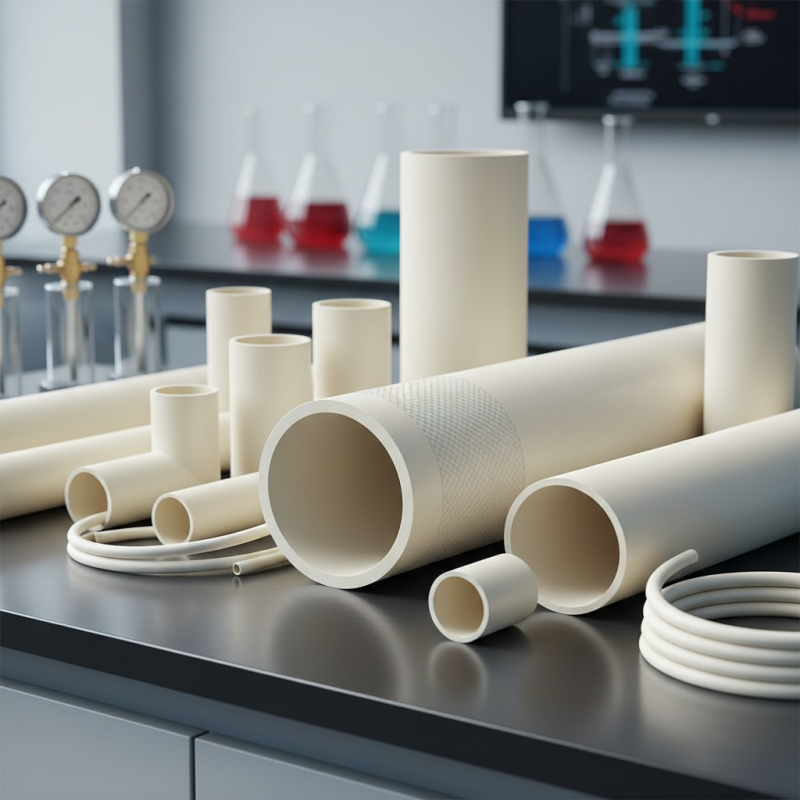
Understanding Cast Nylon Pipe Properties and Benefits
Cast nylon pipes are known for their strength and durability. They offer excellent resistance to wear and impact. This makes them ideal for various industrial applications. The smooth surface of cast nylon reduces friction, enhancing efficiency in fluid flow. Additionally, cast nylon is lightweight compared to metal pipes. This can reduce the overall weight of a system.
One property to consider is temperature tolerance. Cast nylon can withstand a range of temperatures, but it's crucial to check specifications. The material can warp or degrade if exposed to extreme heat for prolonged periods. Similarly, while it has good chemical resistance, some solvents may affect it adversely. Understanding these limits can help avoid future problems.
Moreover, cast nylon pipes can be easier to machine than other materials. However, precise cutting tools are essential for an effective finish. Improper machining can lead to increased wear and decreased performance. Choosing the right thickness and diameter also plays a role in its efficiency. Balancing these aspects can enable users to make informed decisions.
Identifying Key Factors for Selecting Cast Nylon Pipe
Choosing the right cast nylon pipe can significantly impact the efficiency of your project. Several key factors should guide your selection process. Consider the pipe's diameter and length based on your specific requirements. The weight of the pipe can influence installation ease and the overall performance of the system.
When evaluating cast nylon pipes, think about the operating environment. Will the pipe face extreme temperatures or chemical exposure? This detail matters. Different formulations of nylon may perform better under certain conditions. Look for information on each type's resistance to wear and impact.
**Tips:** Always assess the installation space. A slightly longer or heavier pipe may complicate your project. Test a sample if possible. It helps to visualize how it fits into your system. Consider consulting professionals for advice tailored to your needs. They can offer insights on best practices that may not be obvious. Not considering these factors could lead to unnecessary costs and delays.
Choosing the Best Cast Nylon Pipe: Key Factors Comparison
Comparing Cast Nylon Pipe with Alternative Materials
When evaluating cast nylon pipes, it's crucial to compare them with alternative materials. Other options include PVC, polypropylene, and metal pipes. Each material comes with its unique benefits and drawbacks. For instance, PVC is lighter and more resistant to chemicals, but it lacks the toughness of cast nylon. Cast nylon pipes excel in wear resistance and offer a superior load-bearing capacity, making them ideal for high-stress applications.
Looking at metal pipes, they provide strength and durability. However, they are prone to corrosion and may require more maintenance over time. Cast nylon, on the other hand, is not only resistant to corrosion but also provides better insulation properties. It can handle a variety of environments, which makes it versatile. However, the initial cost of cast nylon may be higher compared to some alternatives.
Ultimately, the choice hinges on your specific needs. Prioritize factors like environmental resistance, weight, and cost-effectiveness. Understanding these aspects will help clarify which material suits your project best. Reflecting on these points can guide better decision-making.
Evaluating Manufacturer Specifications and Quality Standards
When selecting cast nylon pipes, understanding manufacturer specifications is essential. High-quality pipes should meet specific industry standards. Look for details like tensile strength, impact resistance, and operating temperature limits. Each parameter plays a critical role in performance and longevity.
Evaluating the quality standards of manufacturers can be challenging. Not every company provides transparent data about their products. Some may have impressive marketing materials but lack real proof of durability. It is vital to seek credible certifications. These documents indicate that the product has undergone rigorous testing and meets safety requirements.
Don’t overlook the importance of customer feedback. Real-world experiences can reveal a lot about a product's true performance. However, be aware that not all reviews are genuine. Some may skew positive for promotional reasons. Take your time to analyze different viewpoints before making a decision. This careful research can save you from costly mistakes in the long run.
Assessing Application-Specific Requirements for Pipe Size and Shape
When selecting a cast nylon pipe, application-specific requirements play a crucial role. Factors like pipe size and shape impact performance and durability. Industry reports show that the right dimension enhances flow efficiency and reduces maintenance costs. According to a survey conducted by the American Society of Mechanical Engineers, businesses reported a 15% reduction in fluid leakage when using correctly sized pipes.
Compatibility with the system is another consideration. Not all shapes and sizes fit every application. For example, custom shapes can improve integration within existing setups. The Plastic Pipe Institute states that nearly 30% of piping system failures are due to misalignment. Ensuring the pipe matches your specific needs prevents these failures, ultimately leading to greater efficiency.
It's essential to monitor the environment where the pipe will be used. For instance, certain chemicals might necessitate special coatings. Many businesses overlook this crucial aspect. As a result, their systems suffer excessive wear or even complete failure. According to a report from the American Chemistry Council, improperly selected materials can lead to replacement costs as high as 40% of the original installation expenses.
How to Choose the Best Cast Nylon Pipe for Your Needs? - Assessing Application-Specific Requirements for Pipe Size and Shape
| Application | Pipe Size (Diameter) | Pipe Shape | Temperature Range (°C) | Chemical Resistance |
| Water Transport | 50 mm | Circular | 0 to 60 | Mild |
| Chemical Processing | 100 mm | Rectangular | -10 to 80 | High |
| Food Processing | 20 mm | Circular | -5 to 60 | Moderate |
| Oil and Gas | 75 mm | Circular | 10 to 70 | High |
| Mining Applications | 150 mm | Square | 5 to 90 | Very High |

