What is a Concrete Estimate Calculator and How to Use It Effectively
In the construction industry, precise budgeting is critical to the successful completion of any project. One of the essential tools that contractors and builders use to ensure accuracy in estimating material costs is the concrete estimate calculator. According to industry expert Lisa Thornton, a lead estimator at Concrete Solutions Inc., "A concrete estimate calculator is not just a tool; it’s a game-changer that empowers contractors to manage resources efficiently and reduce waste."
As construction projects become increasingly complex, having access to reliable estimating tools can make a significant difference. The concrete estimate calculator serves as an invaluable resource in these scenarios, allowing professionals to quickly and accurately measure the amount of concrete needed for a specific job, factoring in variables such as slab thickness, volume, and density. This capability not only streamlines the estimating process but also enhances overall project planning and execution.
In this article, we will explore the functionalities of a concrete estimate calculator and provide insights into how to use it effectively. By understanding its features and applications, contractors can significantly improve their estimating accuracy and ultimately contribute to the success of their projects. Whether you are a seasoned professional or a newcomer to the industry, mastering the use of this tool is essential for achieving optimal results in concrete construction.
Understanding the Basics of Concrete Estimate Calculators
A concrete estimate calculator is an essential tool for anyone involved in construction or renovation projects. It simplifies the process of determining how much concrete is needed for a specific job, whether it’s a small patio or a large commercial foundation. By inputting measurements such as length, width, and depth, users can quickly obtain an accurate estimate of the concrete required, helping to prevent over-ordering or under-ordering materials. This can lead to significant cost savings and improved project efficiency.
Using a concrete estimate calculator effectively involves understanding the basic inputs and outputs. Users should be familiar with the standard units of measurement and ensure their calculations account for any factors that may affect volume, such as space for expansion joints or drainage. Additionally, recent innovations in the industry, such as carbon reduction calculators, highlight the growing trend towards sustainable practices in concrete usage. These tools not only provide quantitative estimates but also help in evaluating the environmental impact, making them invaluable for eco-conscious builders and developers.
Key Features to Look for in a Concrete Estimate Calculator
When choosing a concrete estimate calculator, several key features can significantly enhance your estimating experience. First and foremost, accuracy is paramount. A reliable calculator should consider various parameters, such as material density, volume calculations, and waste factors. This ensures precise estimates that accommodate the specific requirements of your project while minimizing the risk of unexpected costs.
Additionally, user-friendliness is crucial. An effective calculator should have an intuitive interface that allows users to input measurements easily and obtain estimates quickly. Look for calculators that provide clear instructions and visual aids. Furthermore, the ability to save and compare multiple estimates can aid in decision-making, allowing you to adjust variables and see real-time changes in cost projections. Lastly, integration features to connect with other tools or platforms can streamline your planning process, making it easier to manage your project from start to finish.
Step-by-Step Guide to Using a Concrete Estimate Calculator
Using a concrete estimate calculator can streamline your construction project by providing accurate material estimates.
To effectively utilize this tool, begin by gathering essential project details such as the dimensions of the area to be covered and the desired
thickness of the concrete slab. Input these measurements into the calculator, ensuring that you are using the same units (e.g., feet or meters)
across all values. This initial step is crucial as it sets the foundation for precise calculations.
Once you have entered the dimensions, the calculator typically estimates the volume of concrete needed. Pay attention to additional options
that may be available, such as adjusting for waste or choosing specific mix designs. This feature allows you to account for variations
in concrete strength or finishing techniques that may impact your overall material requirements. Finally, review the generated estimate
thoroughly before placing any orders to ensure all aspects of your project have been considered. This careful preparation will help you
avoid discrepancies that could lead to delays or increased costs.
Common Mistakes to Avoid When Estimating Concrete Needs
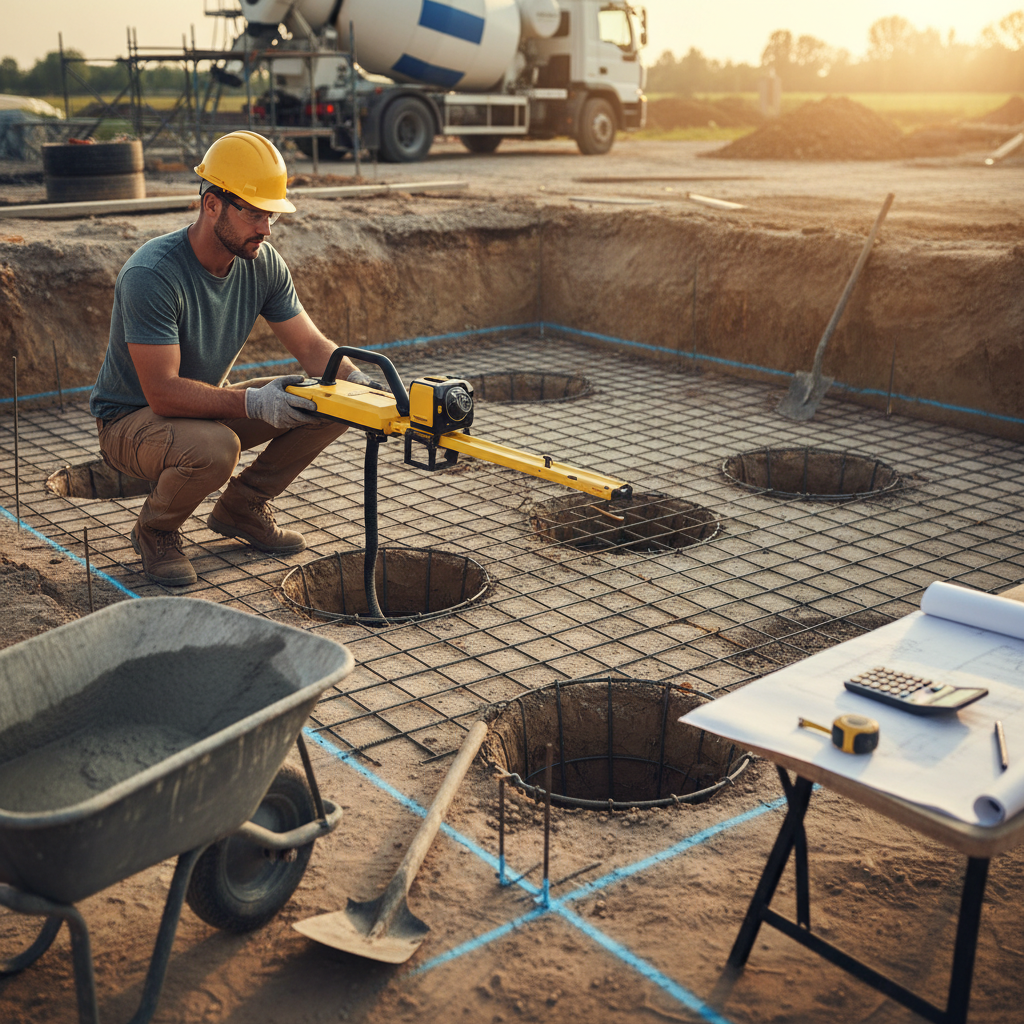
When estimating concrete needs, it's crucial to avoid common mistakes that can lead to inaccurate calculations and wasted resources. One frequent error is not accounting for the specific dimensions of the area to be filled. Measure the length, width, and depth of the space precisely, as even small discrepancies can significantly alter the total volume required. Additionally, overlooking the volume of features such as footings or reinforcements can lead to underestimating the amount of concrete needed.
Another common pitfall is failing to consider the type of concrete required for the project. Different applications may necessitate specific mixtures, strengths, and adjustments for weather conditions. For instance, using a standard mix for a high-load area could result in structural issues down the line. Always verify the concrete specifications based on the intended use, and consult with suppliers to ensure you have the appropriate materials for your project. Taking these factors into account can streamline the estimating process and enhance project outcomes.
Top 10 Concrete Estimate Calculators for 2025: A Comparative Review
When calculating concrete needs for a project, accuracy is paramount. A concrete estimate calculator streamlines this process, allowing contractors and DIY enthusiasts to input dimensions and receive precise material requirements. According to a report by the National Ready Mixed Concrete Association, the demand for ready-mixed concrete is projected to grow by 5% annually through 2025, emphasizing the importance of accurate estimations to keep up with this surge in demand.
In our comparative review of the top 10 concrete estimate calculators for 2025, several tools stand out for their user-friendly interfaces and comprehensive features. For instance, Calculator Pro not only offers basic volume calculations but also factors in different types of concrete and various delivery options, aligning with insights from a recent industry study indicating that 70% of construction delays stem from inaccurate estimates. Meanwhile, ConcreteCalc provides users with a robust database of regional pricing, allowing for more precise budgeting based on local market trends. These calculators not only facilitate better planning but also contribute to reduced waste and cost-efficiency on projects, key factors in today’s competitive construction landscape.