What is a Concrete Volume Calculator and How to Use It?
When planning a construction project, accuracy is key. A concrete volume calculator is an essential tool for contractors and DIY enthusiasts alike. It simplifies the process of determining how much concrete is needed for a specific project, preventing material wastage and ensuring cost-effectiveness.
Using a concrete volume calculator can help eliminate guesswork. By inputting dimensions such as length, width, and depth, users can quickly find the exact volume required. This tool saves time and energy. However, it’s important to understand that even the best calculators require accurate measurements from users.
Many make assumptions that lead to errors. Relying solely on a calculator without double-checking figures can result in mistakes. Hence, a concrete volume calculator should be seen as a reliable assistant, but not a substitute for careful planning. This blend of technology and attentiveness can lead to successful outcomes in any concrete project.
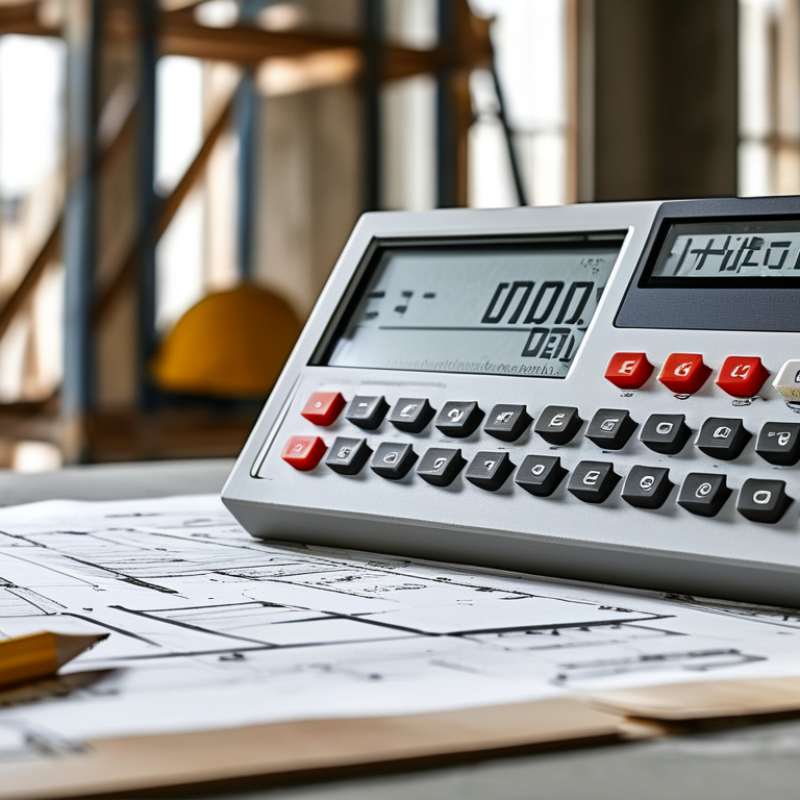
What is a Concrete Volume Calculator?
A concrete volume calculator is an essential tool for anyone involved in construction or landscaping. It provides a straightforward way to determine how much concrete is needed for various projects. The calculation is typically based on basic measurements of length, width, and depth. According to industry reports, accurate estimations can help prevent wastage, saving time and money.
In construction, using a concrete volume calculator can streamline the planning process. For instance, a typical residential driveway might require around 4 inches of concrete thickness. When measured, this can result in a volume of approximately 0.45 cubic meters for a standard double car size. This precise calculation ensures that suppliers deliver just the right amount of material needed.
Errors in estimation, however, can lead to significant problems. Underestimating the volume can cause project delays. Conversely, overestimating can result in excess material that is costly to dispose of. Industry data suggests that 20% of concrete surplus ends up as waste, highlighting the need for accurate calculations. Utilizing this calculator not only reflects professionalism but also fosters efficiency in project management.
Understanding the Importance of Calculating Concrete Volume
Calculating concrete volume is essential for any construction project. An accurate estimate helps in budgeting and purchasing materials. If the volume is underestimated, you may run out of concrete mid-project. On the other hand, overestimating can lead to wasted resources and higher costs. Every cubic foot of concrete counts, and knowing exactly what you need can save time and money.
A concrete volume calculator simplifies this process. By inputting measurements, you quickly get the volume. However, mistakes in initial measurements can lead to errors in volume calculation. Ensuring accurate measurements is key. A small error in length or depth can result in significant discrepancies. Always double-check your dimensions before using the calculator. It may seem tedious, but attention to detail is crucial in construction. Miscalculations can delay your project and increase costs.
Understanding the importance of accurate concrete volume calculations is vital. It prevents unnecessary complications and ensures a smoother workflow. Each project is unique, and no single method fits all. A reflective approach can help you identify potential pitfalls in your calculations. Take the time to understand the specifics of your project; it is worth the effort.
Step-by-Step Guide to Using a Concrete Volume Calculator
A concrete volume calculator is a helpful tool for anyone working on construction projects. It allows users to determine the amount of concrete needed for various shapes, such as slabs, walls, or columns. Understanding how to use this calculator can save time and reduce costs.
To begin with, measure the dimensions of your project area. For a rectangular slab, note the length, width, and thickness. If working with a circular shape, measure the radius. Input these measurements into the calculator and it will provide you with the concrete volume required. Make sure your measurements are accurate; even small errors can lead to significant discrepancies in the amount of concrete needed.
Before starting, it's wise to consider your project carefully. Reflect on where the concrete will be used. Ensure the ground is well-prepared. You may need to excavate or level the area. Always estimate a little extra concrete to account for spillage or over-excavation. This precaution avoids delays during your project. Assessing these details beforehand can lead to a smoother construction process.
Concrete Volume Calculator Data
| Project Name |
Length (ft) |
Width (ft) |
Depth (ft) |
Volume (cubic yards) |
| Foundation Slab |
20 |
10 |
0.5 |
3.7 |
| Driveway |
15 |
12 |
0.25 |
2.3 |
| Patio |
25 |
15 |
0.33 |
5.0 |
| Sidewalk |
50 |
4 |
0.08 |
1.5 |
| Retaining Wall |
30 |
1 |
4 |
3.3 |
Common Applications of Concrete Volume Calculators
Concrete volume calculators serve various essential functions in construction and project planning. These tools help professionals estimate the amount of concrete needed for projects like driveways, sidewalks, and foundations. According to industry statistics from the National Ready Mixed Concrete Association, accurate volume calculations can significantly reduce material waste, often by 10% to 15%. These savings contribute to both cost efficiency and environmental sustainability.
In residential construction, a concrete volume calculator can assist homeowners in making informed decisions. For instance, pouring a concrete patio requires precise measurements to determine the specific volume needed. Miscalculating can lead to excess costs or inadequate coverage. Research indicates that over 25% of DIY projects experience delays due to material miscalculations. Utilizing a concrete volume calculator can mitigate these issues and streamline the building process, ensuring timely project completion.
Moreover, in commercial applications, the use of concrete volume calculators aids in project management. Large-scale operations rely on accurate volume estimations to maintain budgets and schedules. The American Concrete Institute notes that effective planning can cut overall project time by as much as 20%. Despite the advancements in technology, reliance on manual measurements still leads to errors. Lessons from past projects highlight the necessity of leveraging reliable calculators for effective execution in various construction contexts.
Tips for Ensuring Accurate Concrete Volume Measurements
Accurate concrete volume measurements are crucial in construction. A small miscalculation can lead to significant issues later. According to the National Ready Mixed Concrete Association, around 23% of concrete placed is either over-ordered or under-ordered. This not only affects project timing but can also lead to wasted materials and increased costs.
To ensure accurate measurements, always double-check the dimensions of the area where the concrete will be poured. Using a tape measure, take the length, width, and depth. Double-check these values. Remember that small errors can multiply with larger volumes. For example, a 1-inch error in a 10-foot slab can lead to over 5% more concrete being used than necessary.
Consider the mix of concrete as well. The right mix impacts not just strength but also volume when calculating. The American Concrete Institute highlights that varied water-to-cement ratios affect the outcome of concrete pours. When using a concrete volume calculator, input these details carefully. Even simple mistakes, like rounding errors, can skew the final numbers. Regular practice and adjustments based on previous projects can lead to better accuracy and savings overall.
Concrete Volume Measurements for Different Projects