10 Essential Tips for Efficient RMC Plant Management
In the competitive landscape of the RMC plant industry, effective management is crucial for success. John Smith, an esteemed expert in RMC plant operations, once stated, "Efficiency is not just a goal; it's a necessity." This highlights the importance of implementing key practices tailored to the unique challenges of RMC plants.
Managing an RMC plant involves multiple layers of coordination. It requires attention to detail, from supply chain management to staff training. Each element impacts overall productivity. Effective communication among teams often gets overlooked. Misunderstandings can lead to costly delays.
Environment and equipment also play significant roles. Regular maintenance is essential to prevent breakdowns. However, many plants struggle with resource allocation. Staff often juggle multiple tasks, which can cause burnout and inefficiency. There’s a fine line between supervising and micromanaging—a balance that must be struck. In the fast-paced world of RMC plants, reflection and adaptation are vital for continuous improvement.

Key Components of RMC Plant Management
Effective management of a ready-mix concrete (RMC) plant hinges on key components that ensure smooth operations. One crucial aspect is workforce training. An adequately trained team can minimize errors and enhance productivity. Regular workshops can help in understanding the latest techniques and safety measures. However, investing in training may sometimes feel overwhelming, especially for smaller operations.
Another critical component is the maintenance of equipment. Daily checks on mixers, trucks, and silos can prevent costly breakdowns. Even with vigilant maintenance, unexpected issues can arise. Keeping a log of these problems aids in identifying patterns, which is essential for future planning. It’s vital to strike a balance between immediate repairs and long-term upgrades to avoid disruptions.
Lastly, effective inventory management of raw materials is integral. Accurate tracking prevents shortages or excess, both of which can derail production schedules. Employing software can streamline inventory processes. Still, technology can pose challenges; continuous updates and training are needed to keep pace. Reflecting on these components can lead to significant improvements, even if the journey involves setbacks along the way.
Optimizing Resource Allocation for Maximum Efficiency
Optimizing resource allocation is critical for efficient RMC plant management. Every resource, from manpower to materials, must be utilized effectively. Assessing current utilization rates can reveal hidden inefficiencies. For instance, if mixers often sit idle, investigate the scheduling processes. Often, it’s not about lack of work but poor planning.
Regular meetings with team members can also help identify obstacles. Open discussions bring new insights. If workers feel overburdened, they might skip essential tasks. One solution could be flexible shifts during peak times. This approach accommodates demand without straining resources. However, consider the potential for increased fatigue in longer shifts. Balance is essential.
Data monitoring plays a pivotal role too. Keep track of material usage and employee performance. This information can highlight trends and areas for improvement. But be wary of data overload. Too many metrics can cloud judgment. Focus on the key indicators that directly impact efficiency. By refining resource allocation practices, RMC plants can significantly boost overall productivity and reduce waste.
Implementing Effective Quality Control Measures
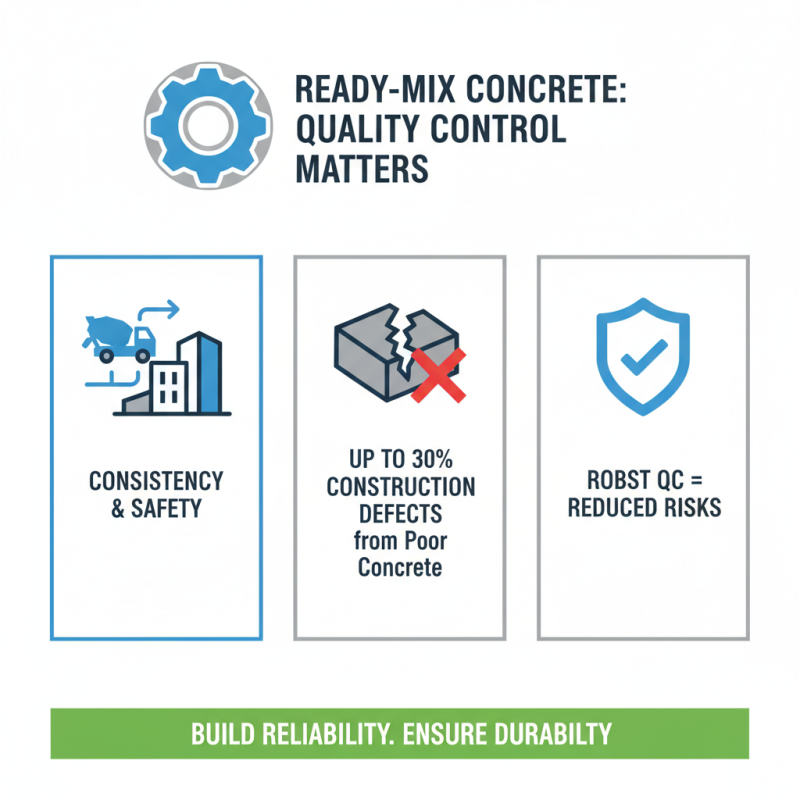
Quality control is crucial in managing a ready-mix concrete (RMC) plant. Effective measures ensure consistency and safety in construction projects. According to industry reports, up to 30% of construction defects stem from poor concrete quality. Implementing robust quality control can significantly mitigate these risks.
One essential tip is to standardize testing procedures. Regularly test samples for compressive strength and workability. Maintain detailed records of all tests. This data can reveal trends and identify areas for improvement. Automation can streamline the testing process, but human oversight remains key. Avoid over-reliance on machines; errors can still happen.
Another tip involves training staff effectively. Educate workers on the importance of quality standards. Frequent training sessions can enhance team skills and awareness. However, training programs may not always align with daily operations, creating gaps in knowledge application. It’s essential to ensure that theoretical knowledge translates to practical execution on the plant floor.
Finally, invest in technology that supports quality control. Advanced monitoring systems can detect inconsistencies in real time. These tools can alert staff when materials deviate from specifications. However, technology should not replace fundamental quality assessment practices. A balance between advanced tools and traditional methods is vital for maintaining high standards.
Staff Training and Development for Improved Operations
Effective staff training is essential for RMC plant management. Employees should fully understand their roles. Regular workshops and training sessions can build their skills. Short sessions focusing on specific tasks can boost engagement. Consider role-playing scenarios to reinforce learning. This method allows workers to experience challenges firsthand. They can learn problem-solving techniques in a controlled environment.
However, training is not always flawless. Some employees may resist new practices. It's crucial to address these concerns openly. Encouragement and feedback can foster a positive atmosphere. Regular evaluations of training effectiveness are also necessary. Adjusting training programs based on employee input can help. Not all sessions will resonate with every worker, and that's okay.
Development goes beyond initial training. Continuous learning opportunities can improve morale. Keeping employees informed about industry trends is vital. This knowledge can encourage innovation on the floor. Create a culture where employees feel safe to express ideas. Mistakes should not be penalized but seen as learning opportunities. When staff feels valued, efficiency naturally increases.
Leveraging Technology for Streamlined Processes
In today's competitive market, leveraging technology is crucial for efficient RMC plant management. According to a recent study by the National Ready Mixed Concrete Association, optimized processes can enhance productivity by up to 15% when the right management tools are implemented. These tools offer real-time monitoring, allowing managers to track operations closely. Without such tools, many plants struggle with delayed deliveries and overproduction.
Automation is another key element. Utilizing software for batch control can minimize human error. In fact, reports indicate that automated operations can reduce waste by 30%. However, the transition to automation isn't always smooth. Many plants face resistance from staff who are used to traditional methods. Training programs become essential to ease this transition. Emphasizing the benefits, like improved safety and job satisfaction, can help in gaining employee buy-in.
Mobile applications play a vital role as well. With mobile dashboards, managers can make quick decisions from any location. Important metrics, such as inventory levels and production rates, are just a tap away. However, reliance on technology can also lead to challenges. Downtime caused by system failures can disrupt operations significantly. Thus, plants must have contingency plans to mitigate risks. Balancing technology with human oversight will lead to more sustainable practices in RMC plant management.
Efficient RMC Plant Management - Leveraging Technology