What is an Interior Folding Door Manufacturer and Their Benefits?
The role of an interior folding door manufacturer is increasingly vital in modern architecture. As urban spaces become more compact, flexibility is key. Interior folding doors conserve space while providing an elegant solution to multi-functional environments. According to a recent report by Allied Market Research, the global interior doors market is projected to reach $26.34 billion by 2027. This reflects a growing demand for innovative design.
Interior folding doors offer practicality and aesthetic appeal. They can transform a room, creating openness or privacy as needed. Many manufacturers emphasize eco-friendly materials. This aligns with sustainability trends in construction. However, not all manufacturers adhere to these standards. Some use subpar materials that may not last. This inconsistency can affect consumer trust.
Navigating the market can be tricky. It’s essential to choose a reputable interior folding door manufacturer. Poor choices can lead to issues like inadequate insulation or durability problems. Consumers should research thoroughly before making a selection. Choosing wisely can lead to long-term satisfaction and improved living spaces.
What is an Interior Folding Door?
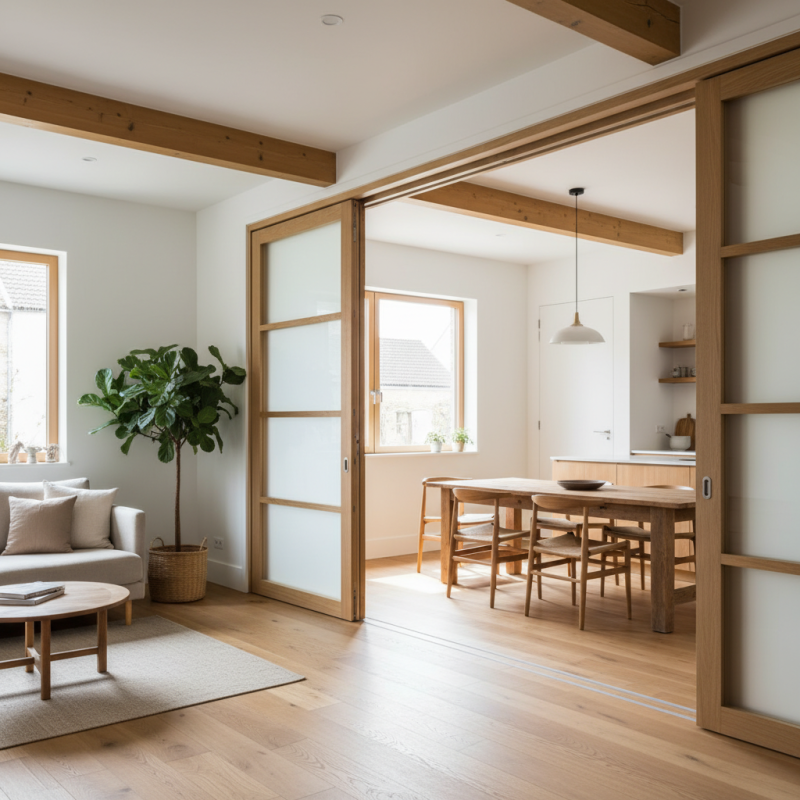
An interior folding door is a versatile solution for both residential and commercial spaces. These doors fold neatly against the wall, allowing for maximum flexibility in room usage. This feature is particularly beneficial in areas where space is limited. According to a recent industry report, the interior folding door market is expected to grow significantly, driven by the need for efficient space management in modern architecture.
These doors come in various materials, including wood, glass, and composite. Each material provides distinct aesthetic and functional benefits. For instance, wooden folding doors offer warmth and character, while glass options enhance light flow and visibility. However, material choice can complicate maintenance and durability, raising questions about long-term usability. Despite their advantages, some consumers worry about installation difficulties and potential alignment issues over time.
Additionally, interior folding doors can improve a space's energy efficiency. By properly sealing when closed, these doors help maintain temperature control. Reports suggest that well-installed folding doors can reduce heating and cooling costs by up to 15%. Nevertheless, poor installation may lead to drafts and energy loss, leading to frustration. The decision to invest in interior folding doors should consider both their valuable benefits and potential challenges.
Roles and Responsibilities of a Folding Door Manufacturer
The role of an interior folding door manufacturer is multifaceted. They design, produce, and distribute versatile folding doors, ideal for residential and commercial spaces. A key responsibility is ensuring the quality and durability of materials. This often involves sourcing sustainable materials, which is increasingly demanded in today's market. Recent reports indicate a notable interest in eco-friendly options among consumers, with a 25% increase in demand over the last three years.
Manufacturers must also stay updated on design trends. As homes trend towards open layouts, folding doors provide flexible space solutions. They can transform a room's ambiance. This adaptability can lead to a 15% increase in home value. However, not all manufacturers prioritize innovation. Some stick to outdated designs that don't meet current aesthetic preferences.
For buyers, it's essential to consider a manufacturer's reputation. Reading customer reviews can provide insight into their reliability. Tips: Request samples to evaluate material quality. Always inquire about installation support. Ensure the manufacturer has a clear return policy. This can save you from potential regrets and costly mistakes down the line.
Key Benefits of Using Interior Folding Doors
Interior folding doors are increasingly popular in modern design. These doors offer versatility and aesthetic appeal. They can transform a space, allowing for open layouts while providing privacy when needed. In fact, a recent industry report noted that the demand for interior folding doors has risen by nearly 20% over the last five years. Homeowners appreciate the flexibility these doors provide in small or large spaces.
One of the key benefits of interior folding doors is their space-saving ability. Traditional doors require space to swing open, while folding doors neatly stack against the wall. This design can make a room feel larger, an important factor in urban living. Additionally, energy efficiency is another advantage. Many folding doors come with insulating properties, helping to reduce heating and cooling costs by up to 15% according to some studies. Yet, installation can be challenging and requires careful planning.
Another significant advantage is the visual appeal of folding doors. They often feature large glass panels, allowing natural light to flood a space. This openness can enhance the mood of a home. Yet, some homeowners might find it hard to maintain privacy while enjoying this benefit. Thus, thoughtful consideration is crucial when choosing the right style and location for installation. Interior folding doors can elevate a home’s design, but they also require reflection on practicality and aesthetic goals.
Materials and Design Options for Folding Doors
Interior folding doors have become increasingly popular in modern architecture. They offer flexibility and maximize space, making them an ideal choice for various applications. When it comes to materials, options include wood, aluminum, and fiberglass. Each material provides unique aesthetics and performance. For instance, wood gives a warm, traditional feel but may require more maintenance. In contrast, aluminum is known for its durability and modern appeal.
Design options for folding doors are vast. From sleek minimalist styles to intricate panel designs, homeowners can find a solution that suits their taste. A recent survey revealed that 65% of homeowners prefer custom design options in their folding doors. Additionally, energy efficiency cannot be overlooked. Folding doors can significantly enhance natural light and ventilation, contributing to reduced energy costs. However, it’s essential to consider the quality of insulation, as poorly made doors can lead to heat loss.
Installation is another critical factor. Proper fitting ensures optimal performance. A 2022 industry report indicated that 30% of folding doors fail to meet efficiency ratings due to installation errors. Homeowners should hire skilled professionals for installation. The right choice in materials and design can transform a space, but maintenance, insulation quality, and installation are essential considerations that require ongoing attention.
Interior Folding Door Materials and Their Benefits
Market Trends and Innovations in Folding Door Manufacturing
The folding door manufacturing industry is undergoing significant innovations. According to a recent market report, the global folding door market is projected to grow by 6.5% annually, driven by increasing demand for space-saving solutions in residential and commercial properties. This trend highlights a shift towards multifunctional spaces that promote flexibility and efficiency.
A key innovation is the use of advanced materials. Manufacturers are exploring composites and lightweight metals, enhancing durability while reducing weight. This not only improves installation efficiency but also extends the lifespan of doors. Furthermore, eco-friendly materials are gaining traction. Consumers are increasingly conscious of sustainability, influencing manufacturers to adopt greener practices.
However, challenges persist. Some manufacturers struggle with maintaining quality while scaling production. The rapid growth can lead to inconsistencies, affecting end-user satisfaction. Additionally, the rising cost of raw materials poses a threat to profitability. Manufacturers must adapt quickly to market fluctuations to stay competitive. They need innovative strategies to address these issues while continuing to meet consumer demands for stylish and functional folding doors.
What is an Interior Folding Door Manufacturer and Their Benefits? - Market Trends and Innovations in Folding Door Manufacturing
| Dimension | Value |
| Average Door Width (inches) | 30-36 |
| Average Door Height (inches) | 80 |
| Common Materials Used | Wood, Glass, Metal |
| Market Growth Rate (2023-2028) | 5.2% CAGR |
| Customization Options | Size, Color, Finish |
| Key Benefits | Space-saving, Aesthetic Appeal, Versatility |
| Innovations in Manufacturing | Smart technology integration, Eco-friendly materials |

