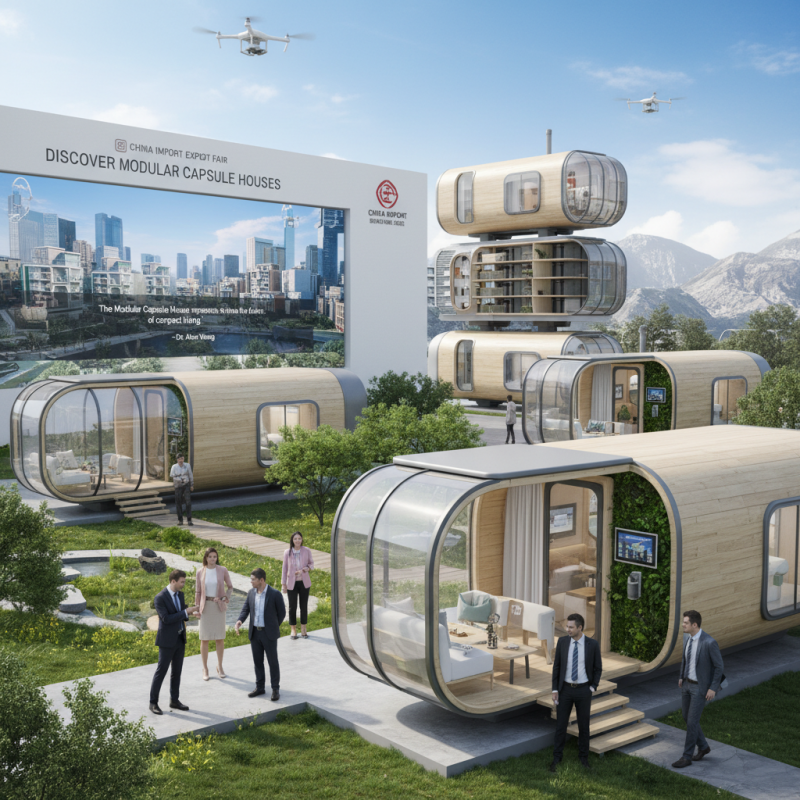
Discover Modular Capsule Houses at China Import Export Fair?
At the upcoming China Import Export Fair, the spotlight is on innovative designs like the Modular Capsule House. This unique housing solution has garnered attention for its efficiency and versatility. Industry expert Dr. Alex Wang stated, “The Modular Capsule House represents the future of compact living.”
These houses integrate modern technology with sustainable materials. They are designed for quick assembly and cost-effectiveness, appealing to urban dwellers. The fair will showcase various designs, allowing attendees to visualize how these capsules can fit into different environments.
However, the concept raises questions about space utilization and individual comfort. While they provide basic needs, can they truly feel like home? As the Modular Capsule House trend grows, we must reflect on its long-term impact on our living spaces and community dynamics.
Overview of Modular Capsule Houses and Their Features
Modular capsule houses are revolutionizing urban living. They are compact, efficient, and designed to maximize space. These houses often use lightweight materials, making transportation easier. Their modular design allows for quick assembly and customization. You can see various configurations at the China Import Export Fair, showcasing versatility in modern architecture.
Features include high insulation and energy-efficient systems. The interiors often feature multifunctional furniture. This adaptability promotes a minimalist lifestyle. However, not everyone may find capsule living comfortable. Some might feel cramped, especially with larger families. Factors such as privacy and natural light are critical in this design.
The trend reflects a growing need for sustainable housing solutions. With urban populations rising, modular homes provide innovative options. Yet, potential buyers must consider their lifestyle carefully. The appeal may not suit everyone, and challenges exist in communal living spaces. This niche in housing prompts a broader conversation about what we value in our homes.
Significance of Modular Design in Modern Architecture
Modular design is making waves in modern architecture. This approach emphasizes efficiency and sustainability. A report by the Modular Building Institute states that modular construction reduces waste by up to 90%. This is crucial as environmental concerns grow alongside urban expansion.
The appeal of modular capsule houses lies in their adaptability. These homes can be configured in various layouts, catering to diverse needs. In urban areas, where space is scarce, they offer compact solutions. However, the challenge lies in local regulations, which often delay adoption. Not every city embraces modular innovation fully, leading to discrepancies in availability.
Designing modular homes also presents aesthetic challenges. While functionality is key, creating visually appealing spaces is essential. Many designers struggle with balancing minimalism and warmth. An interesting statistic shows that 68% of potential homeowners prefer homes that feel inviting. Thus, architects must continue refining designs, ensuring they meet both practical and emotional needs.
Exploring Sustainable Materials Used in Capsule Construction
At the China Import Export Fair, modular capsule houses take center stage. These compact dwelling units showcase innovative and sustainable materials. The focus is on eco-friendly solutions that promote a green lifestyle. Bamboo and recycled metals are commonly used in their construction. Both materials are durable and lightweight. They offer excellent insulation and energy efficiency, essential for sustainable living.
The design of these capsule homes often allows for flexibility and customization. Residents can adjust spaces according to their needs. This versatility can create community-centric living environments. However, the challenge remains in making these homes truly affordable for everyone. While they’re an excellent solution for urban housing shortages, accessibility should be prioritized. Some designs have ventilation issues, causing discomfort. Improvements are needed, but the potential is exciting.
Embracing sustainable materials is a step towards a better future. Each capsule house embodies a commitment to reducing waste. Yet, as the market expands, there's pressure to maintain quality while innovating. It’s essential to balance aesthetics with functionality. The journey toward a sustainable housing solution is ongoing and requires continuous reflection.
Innovative Technologies Behind Modular Capsule Houses
Modular capsule houses are revolutionizing modern living. These innovative structures are designed for efficiency and adaptability. Built off-site in controlled environments, they aim to reduce waste and construction time. As a result, they promise a sustainable approach to housing.
The technology behind modular capsule houses utilizes prefabrication techniques. Each unit can be customized for individual needs. Smart distribution systems are essential for energy efficiency. Integrated solar panels and rainwater collection systems add to their appeal. However, some designs face challenges in maximizing space.
Some people find the compact living concept to be stifling. It requires residents to rethink their lifestyle and possessions. This is not easy for everyone. The idea of minimalism is a double-edged sword. While it reduces clutter, it can also evoke feelings of emptiness. Exploring these capsules can spark deeper conversations about living in harmony with our resources.
Potential Market Impact and Future of Capsule Homes in China
The concept of modular capsule homes is gaining traction in China. These compact living spaces provide affordable options for urban dwellers. Industry reports show the market for prefabricated homes in China is projected to reach $100 billion by 2025. Capsule homes can minimize construction waste and reduce building time significantly.
However, the acceptance of capsule homes presents challenges. Not everyone is open to this radical shift in living styles. Some potential buyers have concerns about space and privacy. In densely populated cities, these homes may not suit everyone’s needs.
Tips: Consider local regulations before investing in modular homes. Familiarize yourself with community attitudes towards alternative housing. Research materials to ensure durability and sustainability. Keeping an eye on trends can guide your decisions.
Despite the hurdles, the future of capsule homes looks promising. They offer flexibility and can adapt to various environments. With urbanization in full swing, more people may seek innovative housing solutions. Thus, ongoing research and development will be vital to meet evolving demands.
Potential Market Impact of Capsule Homes in China