What is On Site Ready Mix Concrete and How Does it Work?
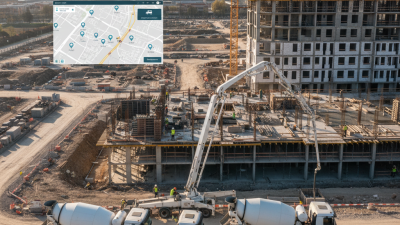
On site ready mix concrete has become increasingly popular in construction projects. This process involves mixing concrete materials at the job site, ensuring freshness and reducing transportation issues. By delivering the mix on-site, construction teams can improve efficiency and achieve better project timelines.
Understanding on site ready mix concrete requires recognizing its components and workflow. The batching of materials can be controlled closely. Concrete is mixed precisely to meet specific requirements, which can lead to enhanced structural integrity. However, this method also has its challenges. Weather conditions and site accessibility can impact the quality and timing of the mix.
Despite its benefits, on site ready mix concrete demands skilled operators. It is crucial to have professionals who understand the mixing process. A mistake in ratios can lead to weak concrete and structural failures. Therefore, while on site ready mix concrete offers clear advantages, it requires careful planning and execution.
What is On Site Ready Mix Concrete?
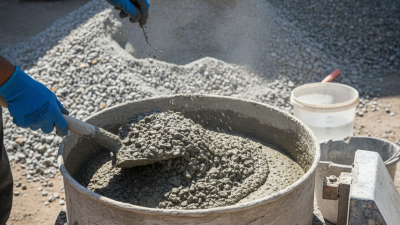
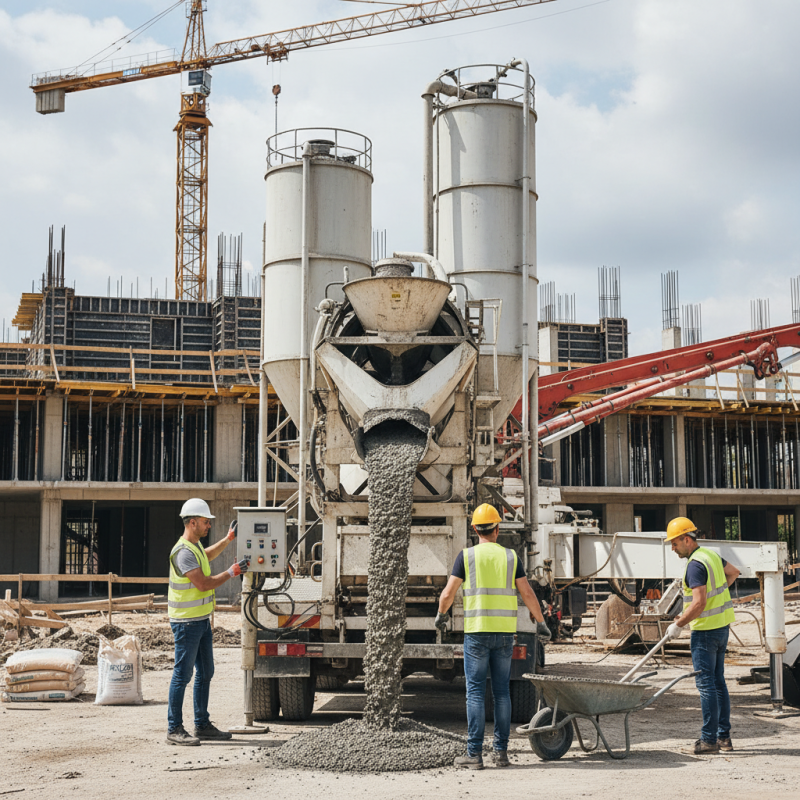
On site ready mix concrete is a tailored solution for construction projects. It is produced directly at the job site, ensuring freshness and optimal consistency. The process begins with a mobile mixing unit, where raw materials like cement, sand, and aggregates are combined. This immediate mixing allows for precise control over the concrete composition.
One key advantage is the ability to adjust the mix according to specific project needs. For example, engineers can modify the water-to-cement ratio for varying strength requirements. However, this flexibility can lead to inconsistencies if not closely monitored. Sometimes, the equipment may face issues, affecting the quality of the mix. It’s essential to regularly maintain the machinery to ensure efficiency.
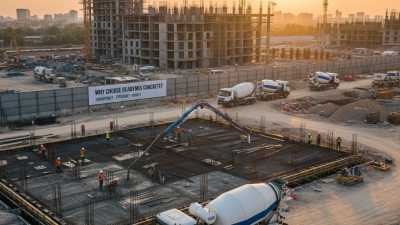
On site ready mix concrete also reduces transportation time. Since it is mixed on location, the concrete can be poured immediately. This can expedite the construction process. Yet, there are challenges. Weather conditions can significantly impact the quality. Rain or extreme heat might alter the curing process. Therefore, careful planning is critical. Making adjustments as needed is part of the process.
Key Benefits of Using On Site Ready Mix Concrete
On-site ready mix concrete offers significant benefits for construction projects. It is created right at the job site, ensuring fresh material at all times. This concept cuts transportation time and costs, which can be a strain on budgets. According to the National Ready Mixed Concrete Association (NRMCA), using on-site mixes can reduce waste by up to 30%. That's a considerable saving for any contractor.
The efficiency of on-site mixing enhances quality control. With real-time adjustments, workers can tailor the concrete mixture. This adaptability often leads to improved performance standards. Studies show that customized mixes can enhance durability and decrease maintenance costs by as much as 20%. However, it requires precise monitoring.
Reliability is a critical facet of on-site ready mixed concrete. Weather conditions and job site logistics can introduce challenges. For example, delays in material arrival can hinder timelines. It's essential to evaluate production rates and site readiness before choosing this method. While the approach is promising, it demands attention to detail and planning to avoid pitfalls.
What is On Site Ready Mix Concrete and How Does it Work? - Key Benefits of Using On Site Ready Mix Concrete
| Dimension |
Data |
| Production Time |
30-60 minutes on site |
| Preparation Time |
15-30 minutes |
| Typical Mixes |
Standard, High Strength, Self-Leveling |
| Transport Distance |
Less than 1 mile |
| Cost Efficiency |
Reduced transportation costs |
| Environmental Impact |
Lower carbon footprint |
| Labor Savings |
Reduced crew size needed |
| Customization |
Ability to tailor mix as needed |
| Quality Control |
Consistent quality assured |
How On Site Ready Mix Concrete is Produced
On-site ready mix concrete production involves creating concrete where it is needed, reducing transportation costs and time delays. This method allows construction teams to gain significant advantages. According to a report by the National Ready Mixed Concrete Association, on-site mixing can cut down project timelines by 30%. This leads to increased efficiency, as delivery logistics become less of an obstacle.
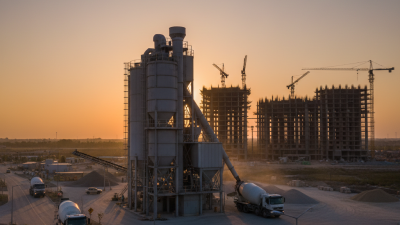
The production process begins with a mobile batching plant. This setup consists of mixers, aggregates, and additives brought directly to the job site. It ensures that each batch meets project specifications, thus enhancing performance. When using traditional methods, fluctuation in concrete quality can occur, but on-site mixing promotes consistency. However, workers must accurately calibrate and maintain the equipment to avoid discrepancies. A miscalibration could result in an inferior product, which reflects the need for skilled operators.
Another consideration is the environmental impact. On-site concrete production lessens the carbon footprint by reducing transport emissions. According to a study published in the Journal of Environmental Management, localized production can cut CO2 emissions by 20%. However, this method requires careful planning. If not managed properly, the mix could be wasted, leading to resource inefficiencies. Balancing production needs with sustainable practices remains a crucial challenge in the industry.
The Delivery Process of On Site Ready Mix Concrete
On Site Ready Mix Concrete relies on a precise delivery process that ensures efficiency and quality. The material is blended at a central plant and transported directly to the construction site. Recent industry reports indicate that this method can reduce labor costs by up to 20%. The concrete arrives in a ready-to-use state, minimizing delays in a project’s timeline.
During the delivery, the concrete is typically loaded into a mixer truck. Each truck can carry approximately 8 to 10 cubic yards of concrete. This volume is enough to complete small to medium-sized jobs without interruptions. However, some challenges arise. Traffic conditions can significantly affect delivery times, leading to potential delays. Additionally, the lifespan of concrete decreases if it is not poured within a set timeframe after leaving the plant, usually around 90 minutes.
Ultimately, the reliability of On Site Ready Mix Concrete delivery hinges on effective communication between suppliers and construction teams. Miscommunication can result in material shortages or incorrect quantities. While many companies aim for efficiency, the human element can lead to mistakes. Regular training and a clear protocol can help address these issues. Focusing on these details can enhance the overall delivery process, leading to a smoother construction phase.
Delivery Process of On Site Ready Mix Concrete
Applications and Use Cases of On Site Ready Mix Concrete
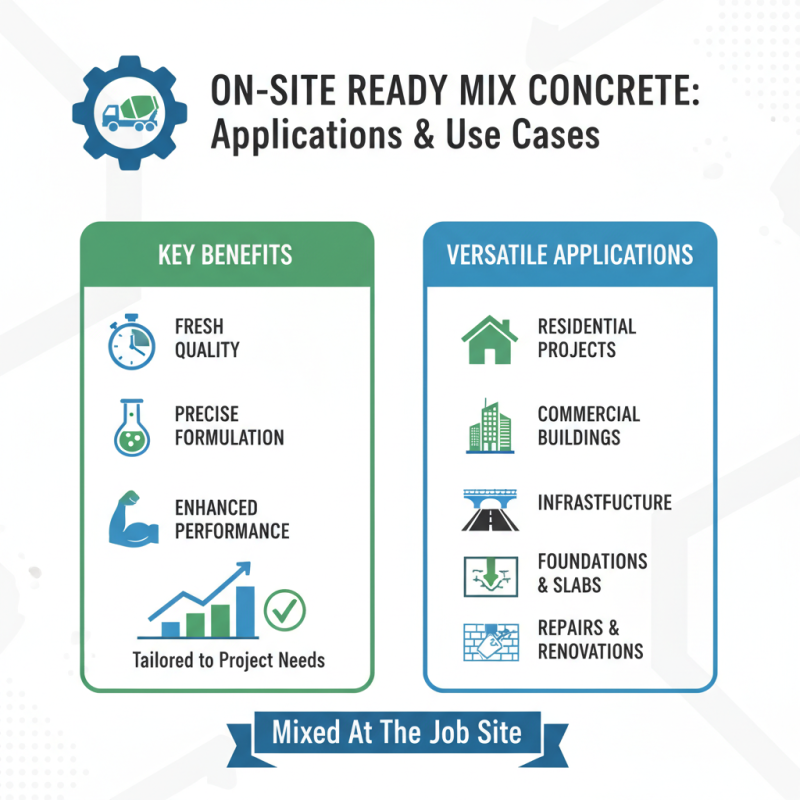
On Site Ready Mix Concrete is increasingly popular for various construction projects. Its applications are vast and versatile. This concrete type is mixed at the job site, ensuring fresh quality and precise formulation. It caters to specific project needs, which can enhance overall performance.
Construction sites favor On Site Ready Mix Concrete for several reasons. It fits perfectly for residential buildings, roads, or commercial facilities. For instance, large-scale structures benefit from its ability to achieve high strength and durability. Workers on the site can adjust the mix ratio to meet unique requirements, like weather conditions or load-bearing specifications.
However, challenges may arise. Weather changes can affect the setting time. This variability is something contractors must monitor closely. Having the right equipment is essential, but not all sites have the facilities for optimal mixing. This highlights the importance of planning and resource allocation. Continuous learning and adjustments can significantly enhance the project outcome when using On Site Ready Mix Concrete.