Essential Tips for Using a Cement Estimate Calculator?
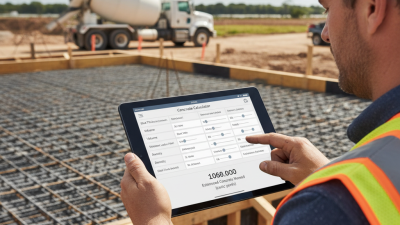
When tackling a construction project, accuracy in estimating materials is paramount. A cement estimate calculator can significantly enhance this process. It simplifies the calculations needed to determine the right amount of cement. With just a few inputs, it provides quick estimates, saving both time and effort. However, relying solely on a calculator may not always yield perfect results.
Users should regularly verify their inputs and consider factors like waste and variations in mix ratios. Miscalculations can lead to insufficient materials on-site or excess that raises costs unnecessarily. Being aware of these potential pitfalls is essential.
Experience shows that combining the calculator with practical knowledge leads to better outcomes. Factors such as the project's specific conditions, local regulations, and material availability should always be factored in. Relying on the cement estimate calculator is beneficial, but staying informed and adaptable is equally critical for success.

How to Choose the Right Cement Estimate Calculator for Your Project
When selecting a cement estimate calculator, consider accuracy and user-friendliness. Tools that provide specific formulas for volume calculation are essential. Look for calculators that allow you to input measurements in various units. A common error in estimating cement needs arises from unclear measurements. According to industry studies, inaccurate estimates can lead to a 20% increase in material waste.
Check for features that offer additional guidance. Some calculators give insights on the ratio of cement to aggregates. They may also factor in local moisture levels, a critical variable. Studies show that accounting for moisture can enhance the accuracy of estimates by 15%-30%. User reviews can help gauge reliability; look for tools endorsed by construction professionals.
Lastly, ensure that the calculator updates for current market prices. Cement prices fluctuate, and outdated information can mislead your budget. A calculator that includes real-time pricing, backed by regional data, adds credibility. Remember, choosing the right tool can significantly impact your project’s success.
Understanding the Key Inputs for Accurate Cement Estimation
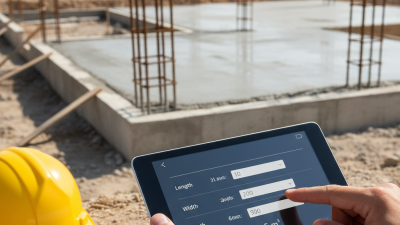
When using a cement estimate calculator, the accuracy of inputs is crucial. Begin by determining the area you plan to cover. This measurement helps ensure your calculations align with the project requirements. A small miscalculation in area can expand costs unexpectedly. It's important to be precise when measuring dimensions, as errors can lead to significant wastage.
Next, consider the depth of the cement layer. The typical depth varies between projects, so understanding your specific needs plays a vital role. For instance, a patio may require different depth specifications compared to a foundation. An oversight here can affect the structural integrity. Additionally, input the type of cement you plan to use, as this influences the material density and cost.
Lastly, keep in mind that not all calculators provide the same accuracy. Variations in features lead to different results. Trust verified sources and consider manually double-checking your estimates. Don't hesitate to question your inputs, especially if they seem off. This step often reveals overlooked details, ensuring a more reliable estimate.
Common Mistakes to Avoid When Using a Cement Estimate Calculator
Using a cement estimate calculator can simplify your project planning. However, there are common mistakes that can lead to inaccurate results. One frequent error is neglecting the required depth of the cement layer. Without precise measurements, you could end up with excess or insufficient material. Always double-check your project's specific requirements before inputting data.
Another common mistake is misestimating the area to be covered. It’s easy to overlook odd shapes or corners in your calculations. Instead of assuming a simple square or rectangle, trace the actual layout. Additionally, using inaccurate or outdated unit conversions can lead to substantial errors. Always ensure you’re using the correct units—imperial or metric.
Finally, don’t forget to account for waste. Spills, mistakes, and miscalculations during placement require a buffer in your estimate. Some projects may demand a contingency of 10% or more. Being aware of these pitfalls will enhance your results. Remember, the tool provides guidance, but your calculations and adjustments make all the difference.
Common Mistakes to Avoid While Using a Cement Estimate Calculator
Tips for Interpreting and Adjusting Your Cement Estimate Results
Using a cement estimate calculator can significantly simplify your project planning. However, interpreting the results requires a keen eye. Knowing how to adjust those estimates is equally important for accuracy.
One tip is to double-check your inputs. Even small errors can lead to significantly different outputs. Review the dimensions of your area carefully. Ensure that you account for the type of cement and the thickness of the pour. Miscalculations can result in a shortage or excess of material.
Another useful tip is to consider waste factors. Not every bag of cement is used perfectly. It’s wise to add a percentage to your estimate for spillage and leftover material. This adjustment can make your project run smoother. It's often overlooked, yet essential to consider.
Be ready to reflect on your results. Each project is unique and may not fit neatly into the estimates provided. Learning from past experiences can enhance future calculations. Adjust your methods as needed, and don't be afraid to seek advice from seasoned professionals. Keeping these points in mind will help you navigate the complexities of your project with greater confidence.
Essential Tips for Using a Cement Estimate Calculator
| Dimension |
Quantity (Cubic Yards) |
Estimated Cement Bags |
Weight (lbs) |
| Slab (4 inches) |
10 |
6 |
1200 |
| Footing (12 inches) |
5 |
4 |
800 |
| Column (24 inches) |
1.5 |
3 |
600 |
| Patio (6 inches) |
15 |
9 |
1800 |
| Driveway (4 inches) |
20 |
12 |
2400 |
Additional Resources for Cement Estimation and Calculation Techniques
When estimating cement for a project, having reliable resources is vital. Various online calculators can simplify the estimation process, but users often encounter challenges.
Understanding the weight of concrete is key. The average weight is about 150 pounds per cubic foot. Therefore, a thorough grasp of this detail aids in accuracy.
For those seeking additional resources, consider reviewing construction textbooks or industry publications. These often provide valuable insights and best practices.
Online forums may also be beneficial, allowing users to share experiences and strategies. Yet, not all shared information is reliable. Critical evaluation is necessary.
Practicing estimation techniques can improve your accuracy over time. Experimenting with different project sizes helps identify mistakes and refine skills. Learning from past estimates can lead to more accurate future calculations. Continuous learning is essential for improvement. The journey of mastering cement estimation is ongoing, filled with necessary adjustments.