Why Choose Readymix Concrete for Your Construction Projects?
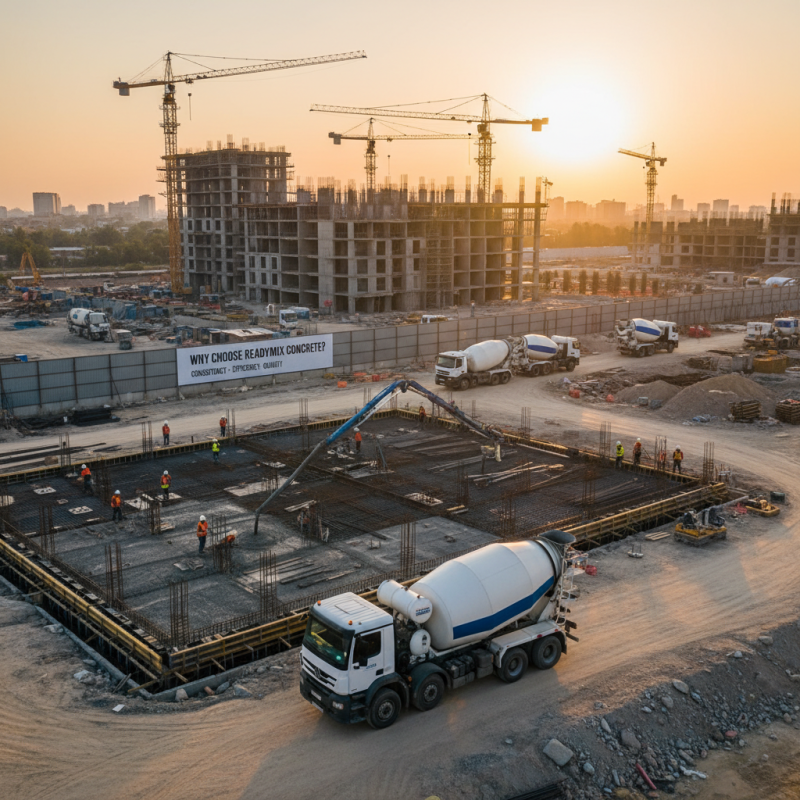
In the construction industry, choosing the right materials can significantly impact the project's success. One popular option is readymix concrete. This material offers several benefits that cater to various construction needs.
Using readymix concrete ensures consistency and quality. It's produced in controlled environments, reducing the risk of human error. Builders often appreciate its convenience; the concrete arrives ready to pour, saving time and labor costs. However, it is essential to consider local suppliers and delivery schedules. Delays can lead to complications on the site.
While readymix concrete provides numerous advantages, it is not without challenges. Finding the perfect mix for structural integrity is crucial. Not all projects require the same type of concrete. Balancing cost and quality can be tricky. Thoughtful consideration of project specifics is necessary to maximize benefits.
Benefits of Using Readymix Concrete in Construction Projects
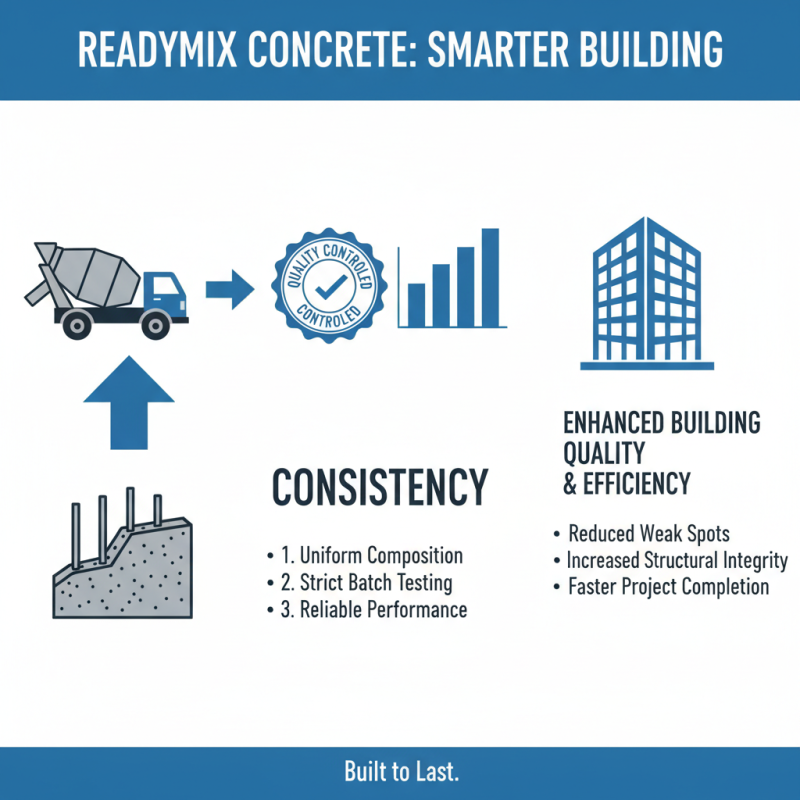
Readymix concrete is increasingly popular for construction projects. It offers many benefits that can enhance building quality and efficiency. One major advantage is its consistency. Every batch undergoes strict quality control. This ensures high standards, reducing the chances of weak spots in the structure. With uniformity, builders can rely on the material's performance.
Using readymix concrete also saves time. It eliminates the need for onsite mixing, allowing for quicker project completion. This is crucial in meeting tight deadlines. However, it’s essential to plan for delivery times. An overlooked schedule can lead to delays.
Tip: Always discuss your project timeline with your supplier. Ensure they can meet your needs.
Another benefit is the reduced waste. Precise calculations can minimize excess material, which is often a problem with traditional mixing methods. Yet, workers may still misestimate. This can lead to unused concrete.
Tip: Regularly assess and adjust your estimates. This can enhance efficiency and save costs.
Choosing readymix concrete provides numerous benefits. Its quality, speed, and reduced waste are key advantages for successful construction projects. However, careful planning is vital to maximize these benefits.
Comparative Analysis of Readymix Concrete vs. Traditional Concrete
In recent years, the choice between readymix concrete and traditional concrete has become critical in construction. According to industry reports, readymix concrete accounts for about 70% of the total concrete used in the United States. This shift reflects its growing popularity due to multiple advantages over traditional mixes.
When comparing performance, readymix concrete often displays superior consistency. It is mixed in a controlled environment, ensuring proper ratios of water, cement, and aggregates. This results in fewer on-site errors, which can be costly. Traditional concrete, however, can vary significantly depending on the labor and skill of the workers. This inconsistency can lead to weak points in structures, raising concerns about safety and longevity.
Cost analysis is also revealing. Although readymix concrete may have a higher upfront cost, the efficiency gained during installation saves time and labor expenses. A study indicated that projects utilizing readymix concrete can reduce labor costs by up to 30%. However, some argue it may not always be feasible for smaller jobs due to logistics and delivery issues. This presents a dilemma where quick, large projects benefit, but smaller ones might struggle with availability and cost-effectiveness. Balancing these factors is essential for successful project outcomes.
Factors to Consider When Choosing Readymix Concrete
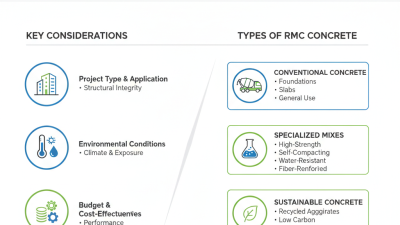
When selecting readymix concrete for construction projects, several key factors warrant consideration. The strength and durability of the mix are crucial. For example, mixes with higher compressive strength can better withstand heavy loads. According to industry data, a mix with a compressive strength of 30 MPa can support standard residential structures efficiently.
Water-cement ratio is another critical aspect. A lower ratio often results in stronger concrete. However, overly reduced water can lead to workability issues. Striking the right balance is essential for achieving the desired finish.
Tips: Always check the local climate conditions. Extreme temperatures can affect curing time. In hot weather, maintaining moisture is vital to prevent cracks. Consult with experts to ensure you choose the correct mix for your conditions.
Additionally, consider the environmental impact of your choice. Many reports indicate that sustainable mixes reduce carbon footprints significantly. Opting for eco-friendly aggregates can enhance sustainability in your project. Remember, while cost is important, quality can save money in the long run by minimizing repairs.
Factors to Consider When Choosing Readymix Concrete
The Process of Ordering and Delivery of Readymix Concrete
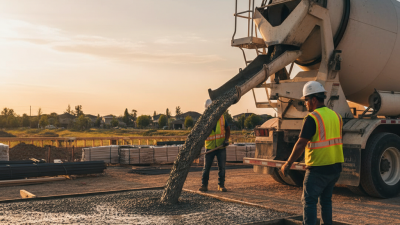
Ordering readymix concrete involves several key steps. First, you need to determine the volume needed for your project. Accurate measurements are crucial here. An oversized or undersized order can lead to wastage or delays. It's also essential to choose the right concrete mix based on specific project requirements. Different mixes serve different purposes. Think carefully about your selection to avoid mistakes.
Once you have your order details, contacting a supplier is next. Be prepared to provide information like delivery location and desired timeline. Timely communication facilitates a smooth process. However, be aware that unforeseen issues can arise. Traffic, equipment failures, or weather conditions may affect delivery times. Expecting these challenges helps in planning your project more effectively.
When the concrete arrives, inspect it closely. The consistency and overall quality should meet your specifications. Sometimes, materials can vary. If any discrepancies occur, reporting them immediately is key. This ensures that adjustments can be made before it impacts your work. Keep documentation of the order and deliveries as well. This could be helpful for any future projects or inquiries.
Sustainability and Environmental Impact of Readymix Concrete
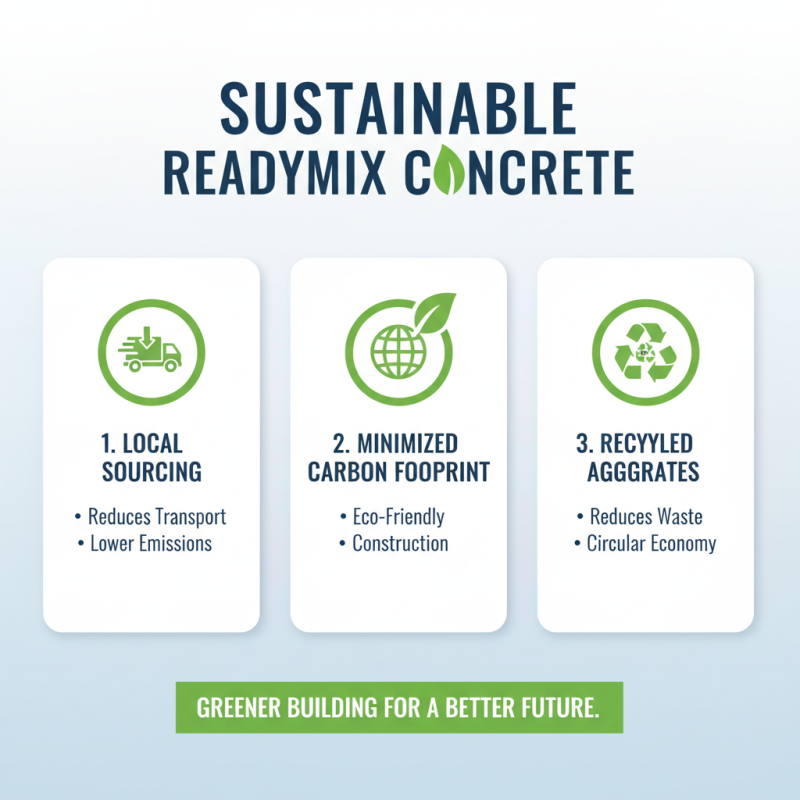
When considering construction materials, the sustainability of readymix concrete stands out. It utilizes locally sourced materials, reducing transportation emissions. This practice minimizes the carbon footprint associated with construction. Additionally, readymix concrete can utilize recycled aggregates, further reducing waste. It offers a viable solution for environmentally conscious projects.
However, not all readymix products achieve the same level of sustainability. Variability in manufacturing practices can lead to differing environmental impacts. Some facilities might not prioritize eco-friendly ingredients, which can raise concerns. Evaluating the practices of suppliers becomes essential for making informed decisions.
Another noteworthy point is the role of readymix concrete in energy-efficient structures. Its thermal mass can help regulate indoor temperatures, reducing energy costs. Yet, builders must consider its long-term durability. Poorly mixed concrete can lead to deterioration, which negates initial sustainability efforts. Overall, a careful balance between sourcing, mixing, and application is necessary for true environmental benefits.