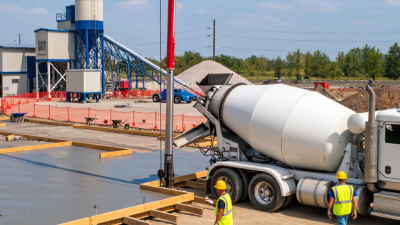
Top 10 Ready Cement Suppliers for Global Buyers?

Choosing a ready cement supplier is not just a matter of comparing prices. Buyers need consistent quality, dependable delivery, clear documentation, and products suited to local construction conditions. A low quote can lose its appeal when bags arrive damaged or test results are hard to verify.

This guide introduces ten suppliers that may serve international buyers, while recognizing that availability and capabilities vary by market. The term “ready cement” can cover different products and supply arrangements, so confirm the exact grade, composition, packaging, and intended use before requesting a quotation. Ask for recent quality reports, applicable product certifications, and details about production and shipping capacity. Practical checks matter.

Delivery deserves equal attention. A supplier’s quoted lead time may not include port handling, customs processing, or inland transport. Buyers should clarify the delivery term, minimum order quantity, packaging options, and process for addressing damaged or off-spec shipments. Compare landed costs, not just the price per tonne. Small details count.

No list can replace independent due diligence, and supplier rankings may change as markets shift. Some information may also be difficult to compare across regions. Treat this overview as a starting point, then verify claims directly and request samples or third-party inspection where appropriate. The best partner is one that communicates clearly, supports traceable quality checks, and can meet your project’s actual schedule—not merely one with the broadest sales pitch.
Top 10 Ready Cement Suppliers for Global Buyers?

Understanding Ready Cement and Its Global Supply Chain

Ready cement is not always a precise industry term. Buyers may mean cement for local concrete batching or ready-mix concrete delivered fresh to a site. These products differ: cement is a binding powder, while concrete also contains aggregates and water. Confirm the product, grade, and intended use before requesting quotations. Small wording gaps can cause costly delays.

A global supply chain may include quarrying, kiln production, grinding, port handling, ocean freight, and inland delivery. Each step affects availability and consistency. Moisture exposure can damage cement in bags, while long transport times can complicate ready-mix delivery. Ask suppliers for recent test results, product specifications, packaging details, and realistic lead times. Check that documentation matches the requirements at the destination. The term itself is used inconsistently, so even experienced buyers should verify what a quotation includes.

Tips: Compare delivered cost, not just the quoted unit price. Confirm storage conditions and shipment schedules. Keep a small buffer for port or weather delays. A plan can still miss something; review assumptions with the site team before placing a large order.
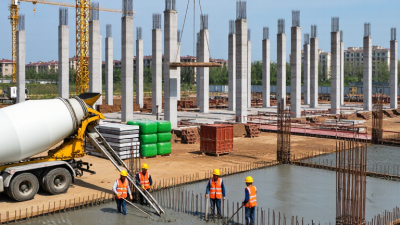

Criteria for Ranking International Cement Suppliers

Ranking international cement suppliers should begin with product consistency, not a polished catalog. Buyers can compare stated strength grades, setting times, and applicable test reports. Ask whether recent batch results are available and how often production is checked. Details matter. A certificate is useful, but it does not prove every shipment will match the sample. Check that product documents, packaging labels, and order specifications agree before comparing prices.

Supply reliability deserves similar weight. Review monthly capacity, quoted lead times, export packing, and the supplier’s process for handling damaged bags or delayed cargo. Ask for a sample shipping schedule, then compare it with the delivery window at your destination. Communication is a practical test: clear answers about storage, moisture protection, and documentation often reveal more than a sales promise. Still, verify. A scorecard might assign points to quality, delivery, documentation, and service, but the weights depend on the project. No ranking is perfect; a low-cost supplier may be a sensible choice for one port and a poor fit for another. Recheck assumptions when routes, volumes, or local technical requirements change.

Top 10 Ready Cement Suppliers for Global Buyers? - Criteria for Ranking International Cement Suppliers

Supplier-ranking framework: criteria are ranked by their suggested importance to international buyers. The weights are illustrative and should be adjusted for the destination market, project requirements, and delivery terms.

Rank Evaluation criterion Suggested weight What buyers should assess Useful evidence to request
1 Product standard and specification fit 18% Whether the offered cement type and stated properties meet the buyer’s project specification and the applicable destination-market requirements. Product datasheet and test results referencing the relevant standard, such as ASTM C150/C150M, ASTM C595/C595M, or EN 197-1, where applicable.
2 Quality consistency and testing 15% Consistency between batches, clear sampling procedures, and the ability to provide test results for shipped material. Recent certificates of analysis, batch or lot identification, test methods, and details of the testing laboratory.
3 Supply capacity and delivery reliability 13% Ability to meet the required order volume, shipment schedule, and repeat-delivery commitments without relying on unverified capacity claims. A written supply plan, production or allocation confirmation, lead-time assumptions, and shipment-performance references relevant to the requested route.
4 Export logistics and port capability 12% Suitability of the proposed route, loading method, port facilities, transit plan, and delivery terms for bulk or bagged cement. Route and port details, proposed Incoterms® rule and named place, vessel or container plan, and estimated shipping timeline.
5 Regulatory compliance and certifications 10% Whether product approvals, declarations, and management-system certifications are valid and relevant to the buyer’s market and procurement requirements. Copies of applicable certificates, issuing-body details, validity dates, and destination-country import or conformity documents where required.
6 Technical documentation and traceability 8% Completeness and consistency of documents used for technical review, shipment clearance, storage, and material traceability. Datasheet, safety data sheet, certificate of analysis, packing list, commercial invoice, and batch-identification details, as applicable.
7 Price transparency and contract clarity 7% Clarity on product price, freight, insurance, handling, payment terms, quotation validity, and any adjustment mechanisms. A dated quotation with currency, unit of measure, named delivery point, included and excluded costs, payment schedule, and contract terms.
8 Environmental information 6% Availability of credible, clearly scoped environmental information relevant to the buyer’s reporting or procurement requirements. Environmental product declarations or other verified disclosures, where available, with stated scope, methodology, and validity period.
9 Packaging, storage, and handling suitability 6% Whether bulk or bagged delivery, moisture protection, handling equipment, and storage guidance suit the receiving site. Packaging or bulk-loading specification, handling instructions, storage recommendations, and confirmation of the receiving facility’s requirements.
10 Communication and after-sales support 5% Responsiveness during technical review and order execution, with a defined process for handling quality or delivery issues. Named contact roles, expected response process, complaint procedure, and agreed steps for resolving non-conformance claims.
Total suggested weighting 100% Verify documents and claims against the applicable contract and destination-market rules.

Profiles of Ten Ready Cement Suppliers for Global Buyers

Global buyers should compare suppliers by plant reach, mix control, and delivery reliability. USGS Mineral Commodity Summaries 2024 estimated 2023 world cement production at about 4.1 billion tonnes. Scale is substantial, but it does not guarantee dependable local supply. The profiles below describe ten supplier types without naming companies. An integrated regional producer controls cement and batching; an urban operator serves dense construction zones; a port-linked supplier supports import-dependent markets; an infrastructure specialist handles large, scheduled pours. A mobile-batching provider brings equipment closer to remote sites. That can reduce travel, but site conditions matter.

Other useful profiles include a low-carbon mix supplier, a high-strength concrete specialist, a precast-focused producer, a testing-led supplier, and an export-oriented regional network. Ask each for mix designs, recent test results, delivery windows, and contingency plans. Get details in writing. The International Energy Agency estimates cement production causes around 7% of global CO2 emissions, making verified emissions information relevant to procurement. Lower-carbon claims should specify the measurement boundary and product mix.

For a real purchase, confirm whether a supplier offers ready-mixed concrete, cement, or both; these are not interchangeable. Check local references and batch records, then compare delivered cost rather than unit price alone. A missed delivery can leave a pump idle and a pour exposed to weather. These checks are practical, but imperfect: published data may not reflect a specific plant’s current capacity or quality.

Supplier Certifications, Market Coverage, and Delivery Options

When comparing ready-mix concrete suppliers, check what each certification actually covers. A quality certificate may apply to one plant, not every production site. Ask for its current scope, expiry date, and the address of the certified facility. Then compare product documentation with the standards required for your project. Request recent batch records and delivery tickets. These show the mix designation, production time, and load details. A certificate is useful, but it cannot rescue a poorly planned pour.

Market coverage should be measured by practical travel time, not a broad service-area map. Ask which plants will serve your site and how many trucks can be scheduled during peak hours. Delivery options matter. Confirm whether the supplier offers timed arrivals, transit mixers, or pump coordination, and how dispatch handles traffic or equipment delays. For a long pour, a written delivery window and backup plan can prevent cold joints. Still, estimates are not guarantees. A supplier may describe its coverage confidently, while actual capacity changes with weather and local demand. Check the details against your site schedule.

How Buyers Compare Offers and Assess Supply Risks

A low price is useful only when the delivered specification matches the project. Compare cement type, strength class, packing format, and quoted quantity on one sheet. Check whether the price includes inland haulage, port handling, insurance, and bag or bulk loading. Ask for recent test reports linked to identifiable production batches, not a generic product brochure. Confirm monthly capacity, dispatch windows, and the loading port in writing. Small details matter. A delayed shipment can leave crews waiting while storage costs continue.

Assess reliability using evidence from more than one shipment. Review delivery records, complaint handling, and how quickly the supplier explains a failed test or schedule change. Check that certificates are current and issued by an independent body; verify them directly where practical. For long routes, ask about moisture protection, container condition, and procedures for damaged bags. A supplier should offer a realistic contingency plan, such as alternate sailings or staged deliveries, rather than promise zero disruption. That promise is rarely credible. A scorecard helps, but it cannot predict every disruption. Weigh price against exposure: a slightly higher offer may be safer when stock buffers are thin. Forecasts still fail. Record assumptions and revisit them before each purchase.