How to Use a Concrete Base Calculator for Accurate Estimates
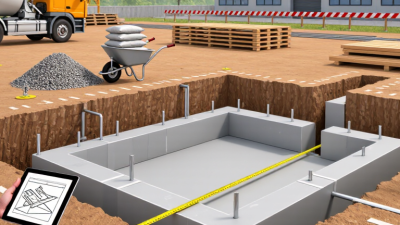
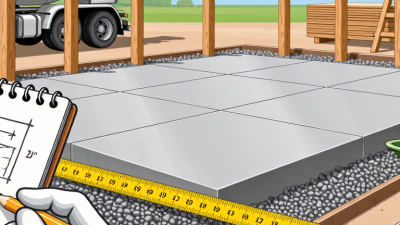
Estimating concrete for a footing, slab, or post base can feel simple until measurements start changing. A small error in depth may add several bags, extra delivery fees, and frustrating delays. A concrete base calculator turns length, width, and thickness into a practical volume estimate. It gives the project a clearer starting point.
For example, a 12-foot-by-10-foot patio base, four inches deep, requires more than surface-area guessing. The calculator converts those dimensions into cubic feet or cubic yards. It can also help estimate bag quantities when ready-mix delivery is impractical. Keep the units consistent. Mixing inches and feet creates unreliable results.
Real projects are rarely perfect. Excavated soil may be uneven, forms may shift, and some concrete remains inside the mixer or wheelbarrow. Adding a modest waste allowance is sensible, but excessive padding increases cost. I have found that checking the result manually often reveals overlooked measurements. That extra minute matters.
A calculator does not replace professional judgment. Soil conditions, drainage, reinforcement, freezing temperatures, and local construction requirements may affect the base design. Confirm the final dimensions with project plans, a qualified contractor, or local building guidance. Also compare the calculator’s result with the concrete supplier’s specifications.
Used carefully, this tool supports a more dependable estimate. It helps homeowners and builders plan materials, labor, and delivery with fewer surprises. The result is still an estimate, not a promise. That distinction keeps planning realistic.
Define Base Dimensions and Convert Measurements to Cubic Feet
How to Use a Concrete Base Calculator for Accurate Estimates
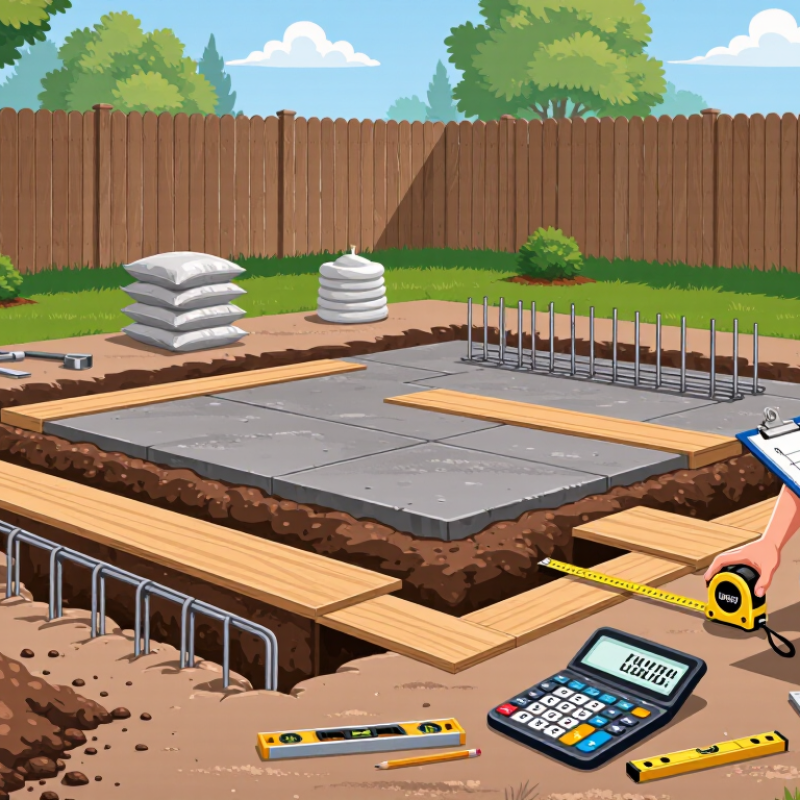
Define the base dimensions before entering numbers. Measure length, width, and thickness at the actual placement area. For a rectangular base, multiply length by width by depth. Convert every measurement to feet first. A 12-inch thickness equals 1 foot, while a 6-inch thickness equals 0.5 feet. The formula is simple: length × width × depth = cubic feet. For example, a 10-foot by 8-foot base, 0.5 feet thick, requires 40 cubic feet of concrete. Divide by 27 to convert cubic feet into cubic yards.
Check the site twice. Sloping ground, thickened edges, and uneven excavation can change the result. Separate an irregular base into smaller rectangles, calculate each section, then add the volumes. ASTM C138/C138M provides the standard method for measuring concrete density, while normal-weight concrete commonly weighs about 145 to 155 pounds per cubic foot, according to industry guidance from the National Ready Mixed Concrete Association. That figure helps estimate handling loads, but it does not replace delivery calculations.
Add a practical allowance. Many contractors include roughly 5% to 10% for spillage, uneven forms, and minor measurement errors. The right percentage depends on site conditions. I often recheck the thickness at several points because one “average” measurement can hide a costly mistake. A calculator only processes the numbers entered. It cannot detect a soft edge, a buried void, or a form that shifted overnight. Keep the original measurements and assumptions with the estimate for later review.
How to Use a Concrete Base Calculator for Accurate Estimates - Define Base Dimensions and Convert Measurements to Cubic Feet
| Base Type |
Length
(in) |
Width
(in) |
Depth
(in) |
Length
(ft) |
Width
(ft) |
Depth
(ft) |
Calculated Volume
(cu ft) |
10% Allowance
(cu ft) |
Estimated Order Quantity
(cu ft) |
| Small Equipment Pad |
72 |
72 |
6 |
6.00 |
6.00 |
0.50 |
18.00 |
1.80 |
19.80 |
| Garden Walkway Section |
240 |
36 |
4 |
20.00 |
3.00 |
0.33 |
20.00 |
2.00 |
22.00 |
| Residential Slab Section |
120 |
96 |
4 |
10.00 |
8.00 |
0.33 |
26.67 |
2.67 |
29.34 |
| Concrete Footing |
48 |
24 |
8 |
4.00 |
2.00 |
0.67 |
5.33 |
0.53 |
5.86 |
| Square Pier Footing |
18 |
18 |
12 |
1.50 |
1.50 |
1.00 |
2.25 |
0.23 |
2.48 |
Calculation method: convert each measurement from inches to feet by dividing by 12, then multiply length × width × depth. The estimated order quantity includes a 10% allowance for spillage, uneven subgrade, and minor measurement variations. Values are rounded to two decimal places.
Apply the Concrete Volume Formula: Length × Width × Depth
A concrete base calculator becomes useful when its inputs match the actual ground conditions. The core calculation is simple: length × width × depth. Measure length and width in the same unit. Record the planned slab depth, not the excavation depth.
For example, a base measuring 12 feet by 8 feet with a 4-inch depth needs 32 cubic feet of concrete. Convert 4 inches to 0.333 feet before multiplying. The result is about 1.19 cubic yards, because one cubic yard contains 27 cubic feet. Small errors matter.
On site, I measure each edge twice and check the formwork with a level. Soil can shift, and forms may bow outward during placement. Add a modest allowance, often 5 to 10 percent, for uneven excavation and handling loss. Yet an allowance cannot replace careful measurement.
If the base has different sections, calculate each rectangle separately, then add the volumes. Circular or irregular areas require different geometry. A calculator accepts numbers, but it cannot notice a soft corner or sloped bottom. That judgment remains yours.
Before ordering, verify the volume, unit system, access conditions, and required strength with a qualified concrete professional.
I sometimes round too early, which creates avoidable waste. Keep extra decimals until the final conversion.
Add the Industry-Standard 5–10% Waste Allowance
How to Use a Concrete Base Calculator for Accurate Estimates
A concrete base calculator turns measured length, width, and depth into a practical volume estimate. Measure the actual excavation, not only the planned drawing. Uneven ground can quietly increase the required concrete. Check every measurement twice. A small depth error can create a costly shortage.
After calculating the base volume, add an industry-standard 5–10% waste allowance. Use about 5% for a simple, level form with easy delivery access. Consider 10% when the excavation is irregular, the ground is loose, or placement conditions are difficult. This allowance covers spillage, overbreak, uneven surfaces, and concrete left in delivery equipment. It should not hide careless measuring.
For example, a base measuring 12 feet by 10 feet by 4 inches requires about 1.48 cubic yards. Adding 7% produces approximately 1.58 cubic yards. Confirm the final order against the supplier’s delivery increments.
Experienced estimators also review site access, weather, form strength, and placement speed. Calculators cannot judge those conditions. I have learned that neat measurements can still fail when the ground changes during excavation. Recheck the exposed base before ordering. A little caution is cheaper than stopping a pour early.
Verify Calculator Results Against ACI 318 and ASTM C94 Practices
A concrete base calculator gives a fast estimate from length, width, and thickness. I also add openings, irregular edges, and a practical waste allowance. Check the units. A missed conversion from inches to feet can distort the order dramatically. My first estimate often looks precise, yet field conditions can expose weak assumptions. Soil variation, uneven forms, and over-excavation may increase the required volume.
The calculator result should be checked against ACI 318 requirements and the project drawings. ACI 318 helps determine structural strength, durability, reinforcement, and minimum concrete requirements. It does not turn a volume estimate into an approved design. Confirm the specified compressive strength, exposure class, thickness, and reinforcement before ordering concrete. That gap matters.
For ready-mixed concrete, compare the estimate with ASTM C94 practices and the approved project specifications. Review the ordered quantity, concrete class, delivery information, slump limits, and testing procedures. ASTM C94 supports consistent production and delivery, but site acceptance still depends on proper sampling and testing. Record ticket times and actual placement quantities. If the final truck leaves excess concrete, investigate the cause instead of automatically increasing the next order. A small allowance is sensible. An unexplained allowance deserves review. Calculators estimate geometry; qualified personnel must verify constructability, materials, and compliance.